


.svg)


A Traveling Sanctuary for Reading Banned Books


How can architecture raise awareness about the negative impacts that state legislature censorship of K - 12 public school libraries has on students while simultaneously providing a safe and welcoming space for reading banned material?
Role Director, ZA (Zuroweste Architecture)
Curator WAI Architecture Think Tank
Location Varies
Year 2025
Status Built
Type Traveling installation
Invited Group Exhibitions A Classroom in the Future (curated by WAI Think Tank), Gallery 181, Iowa State University, College of Design, Ames, IA, 2025
Related:
Images
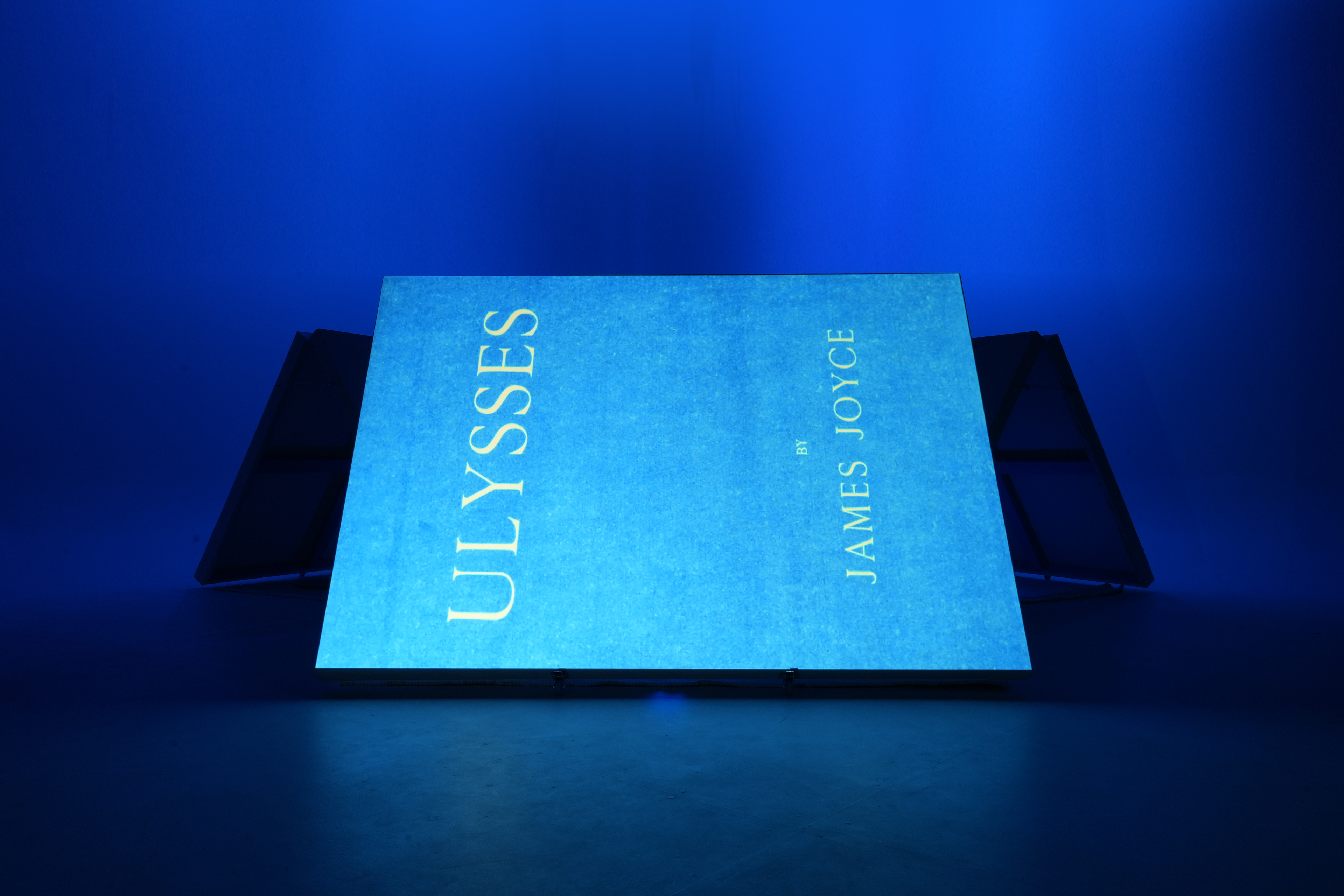
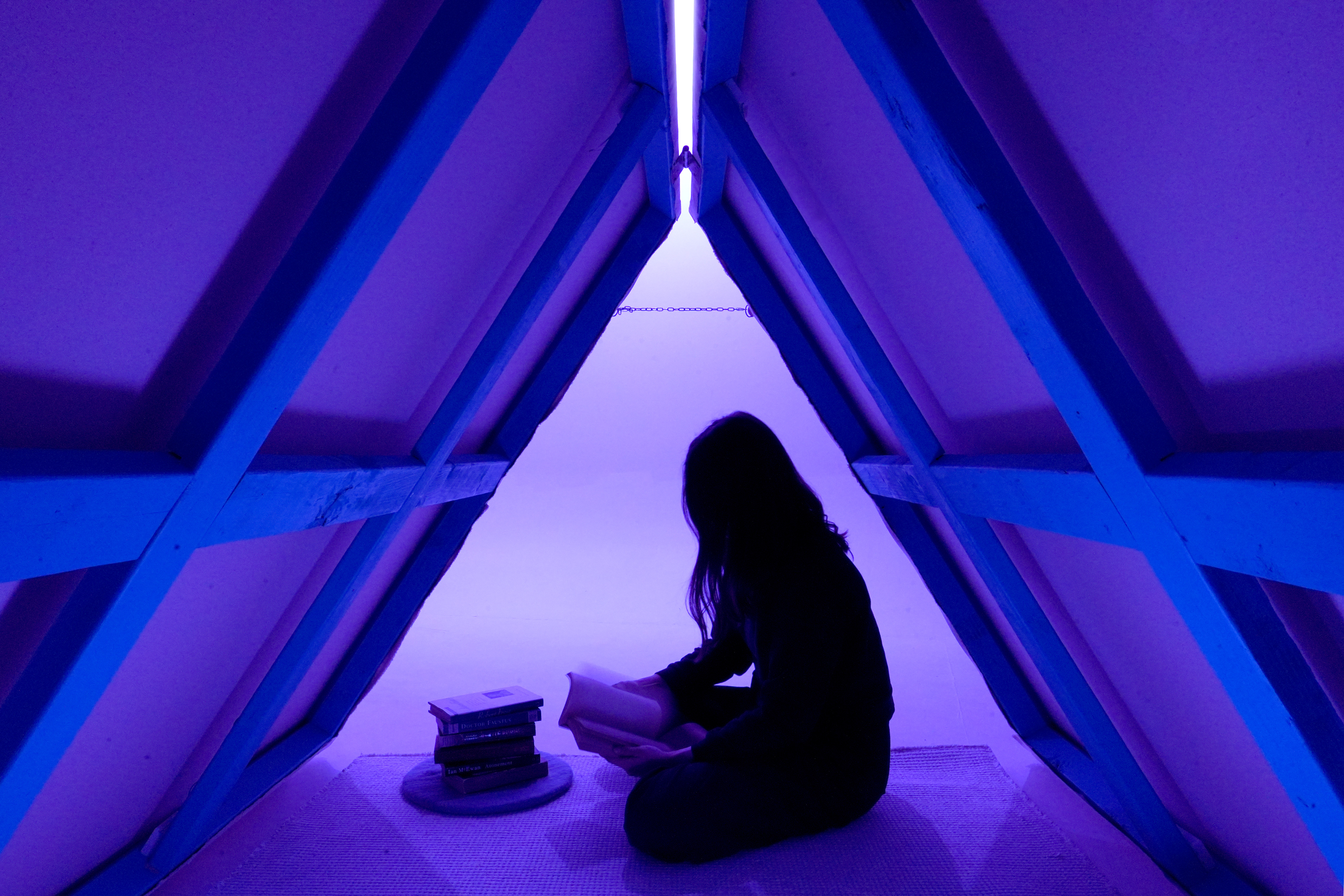
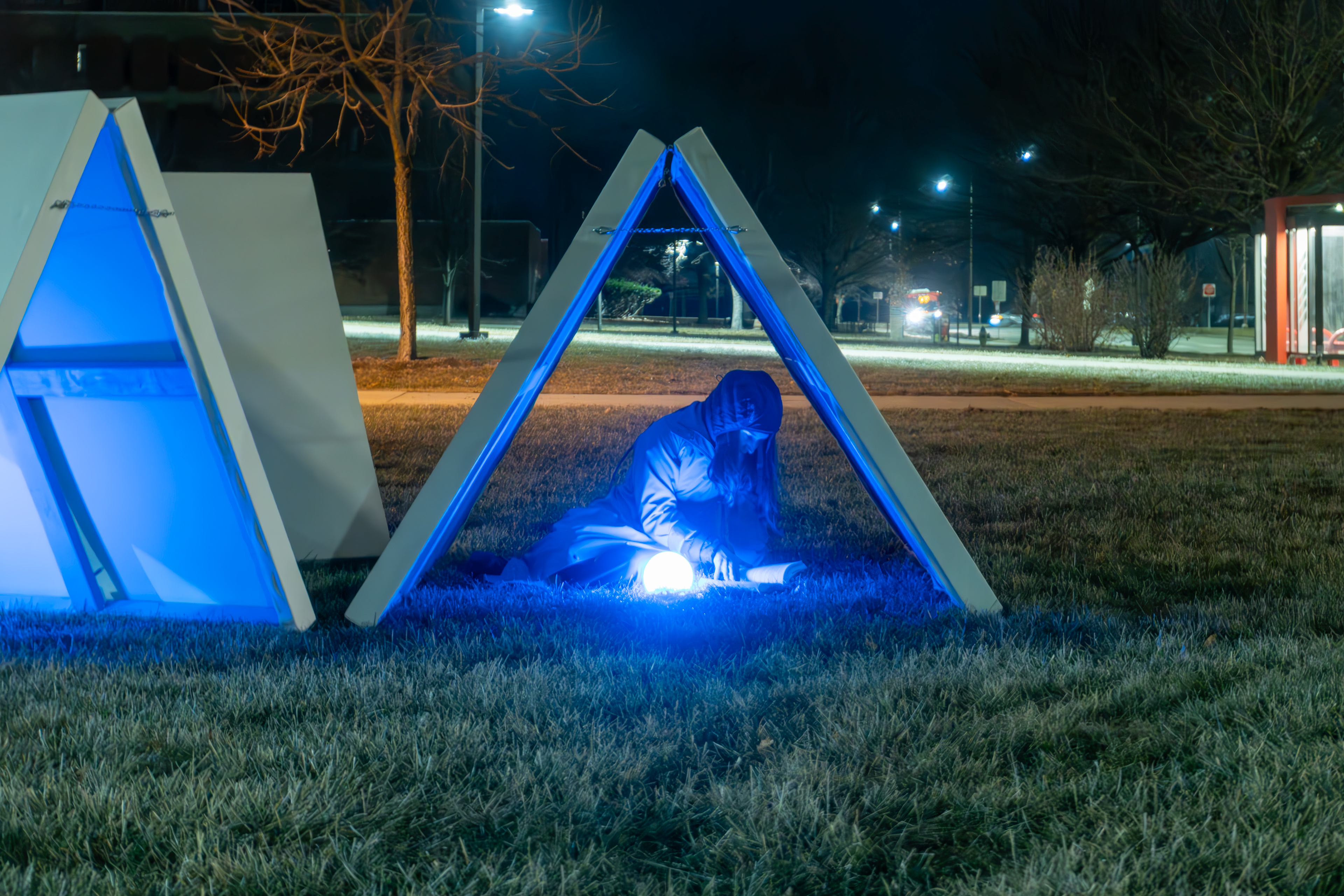
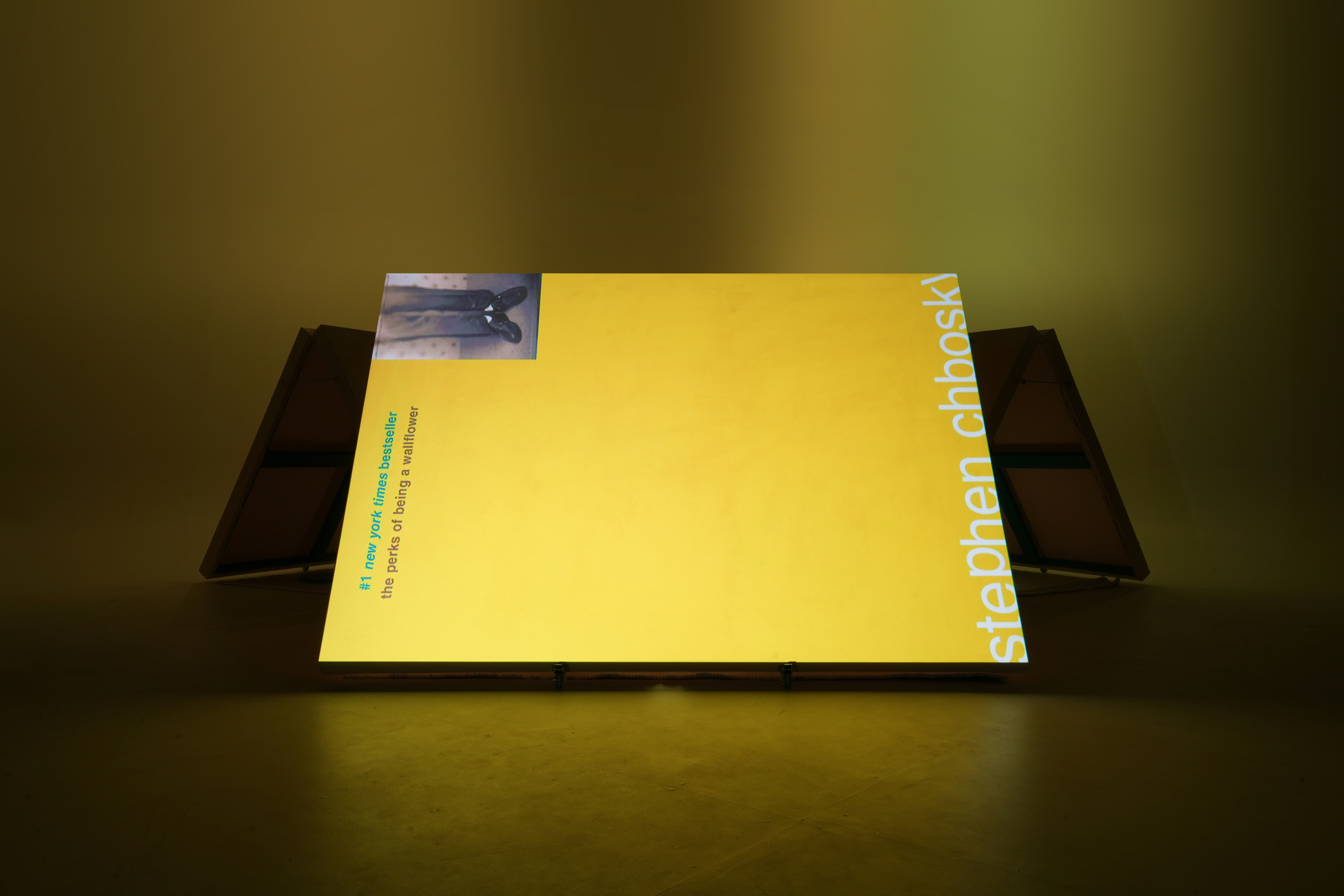
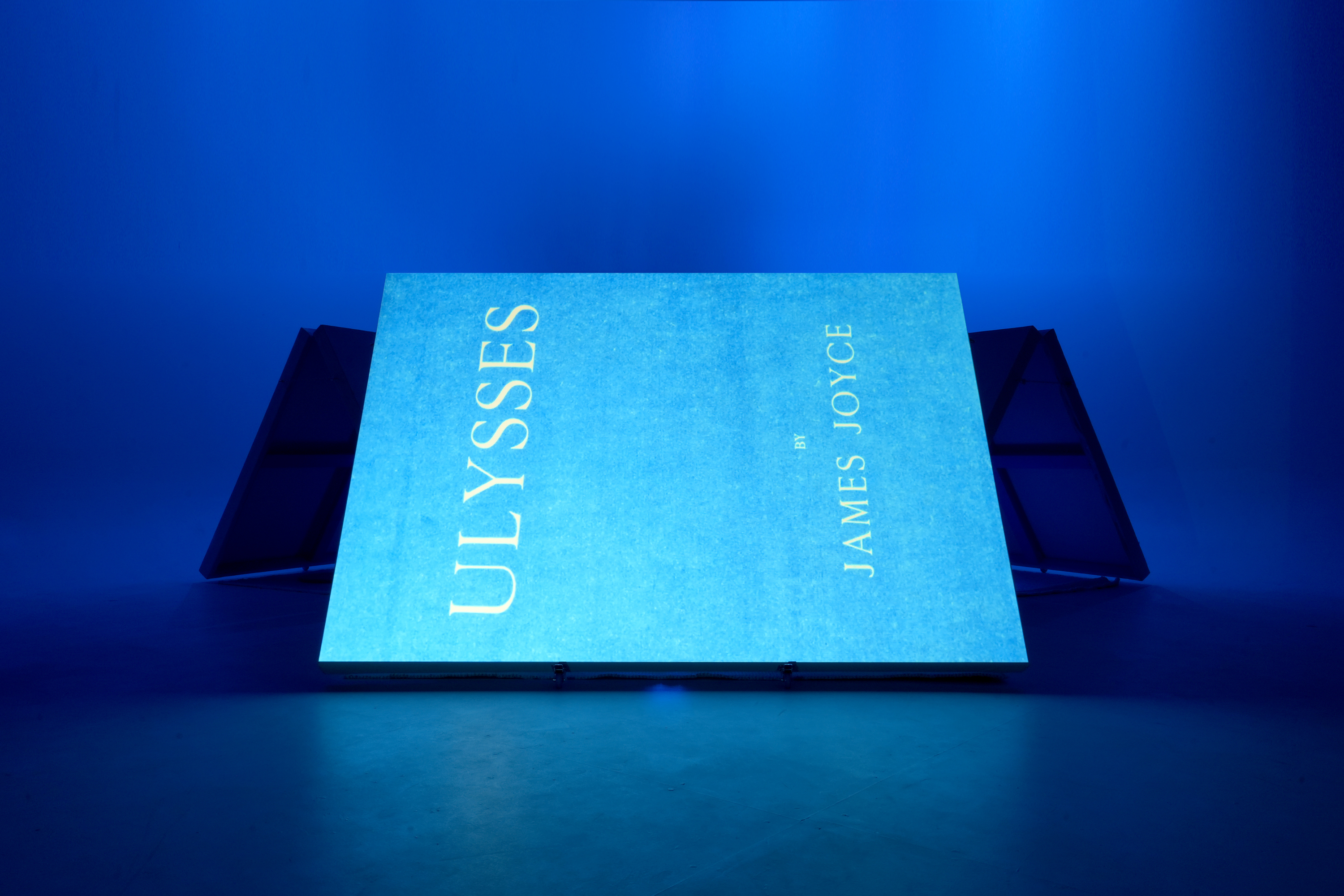
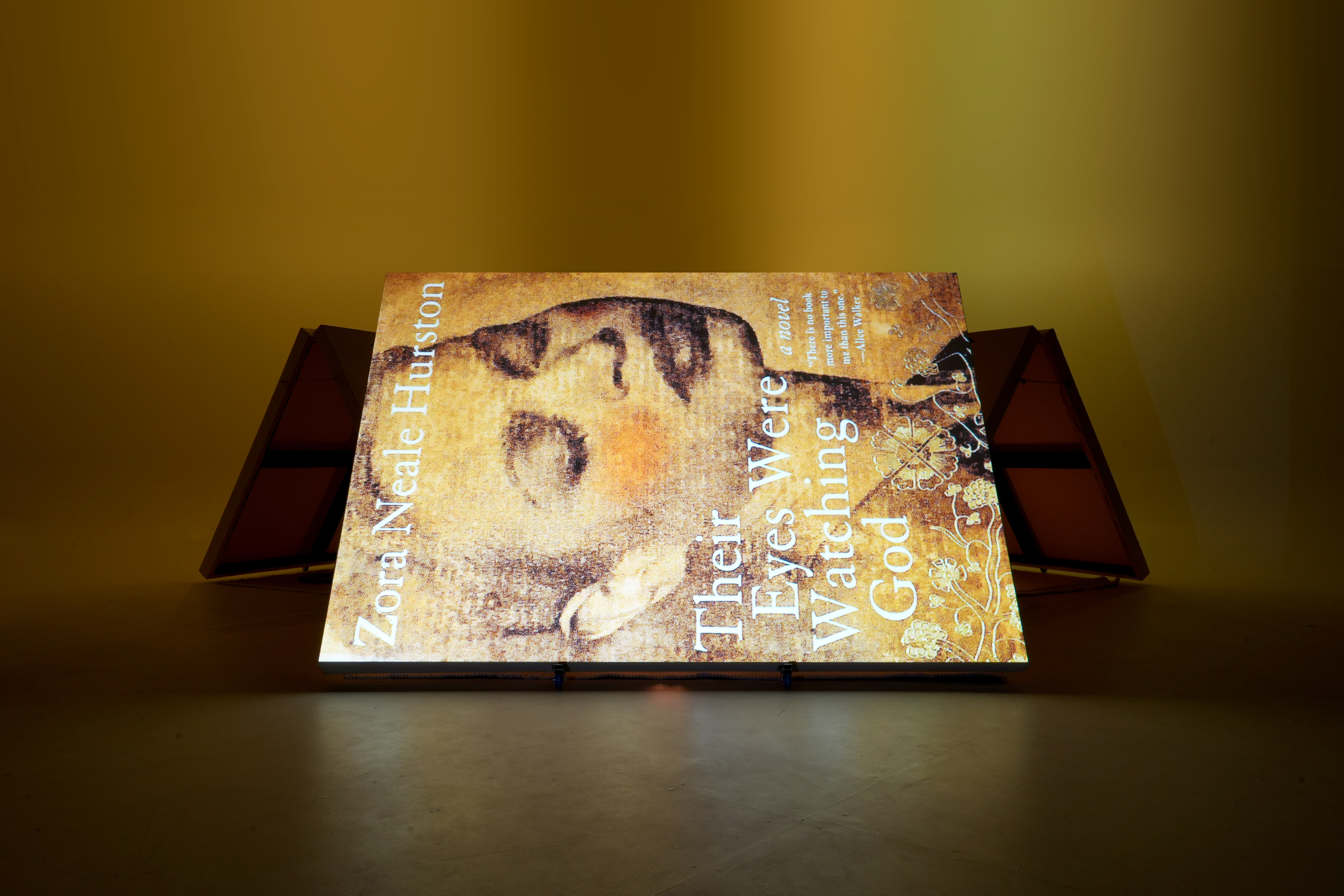
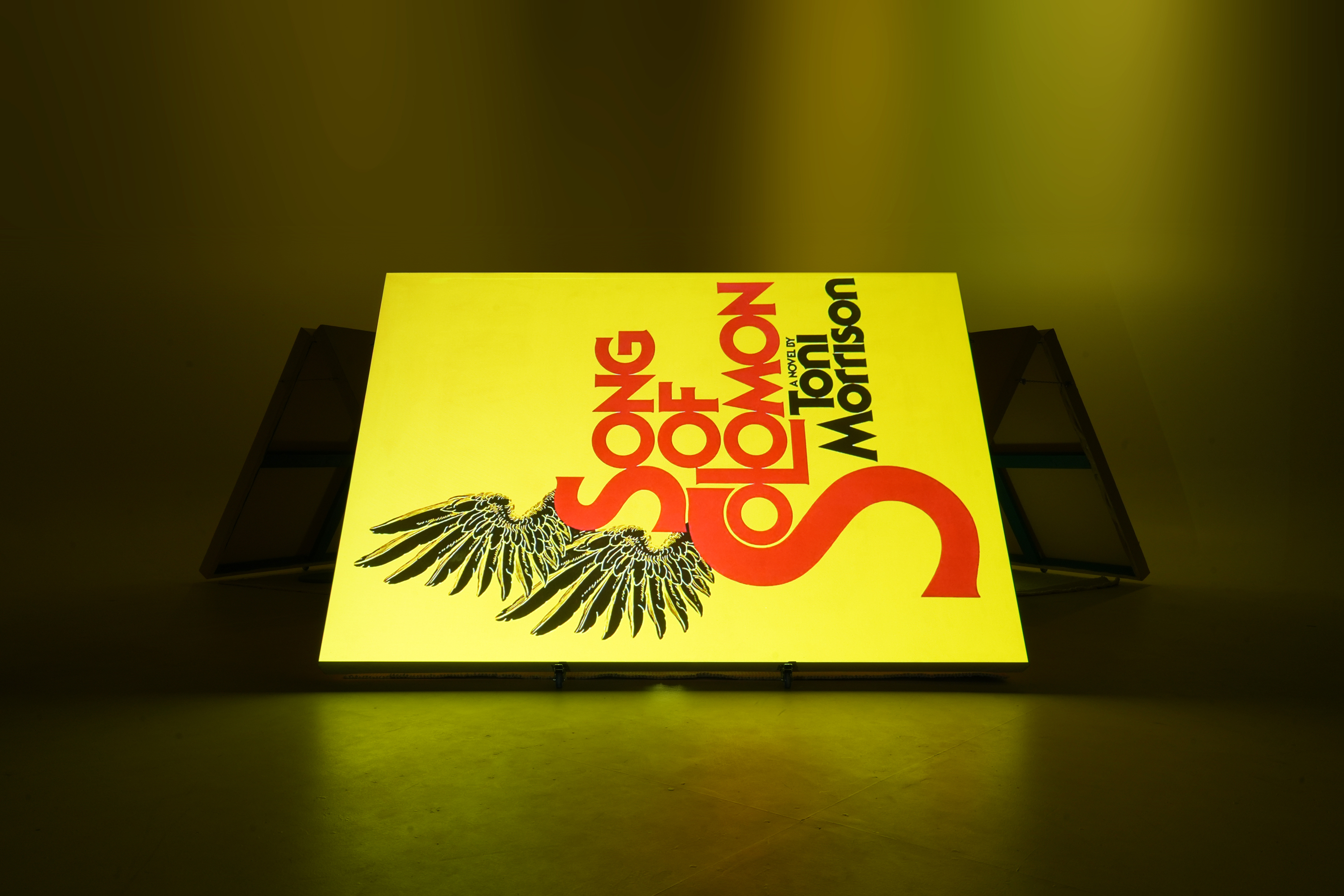
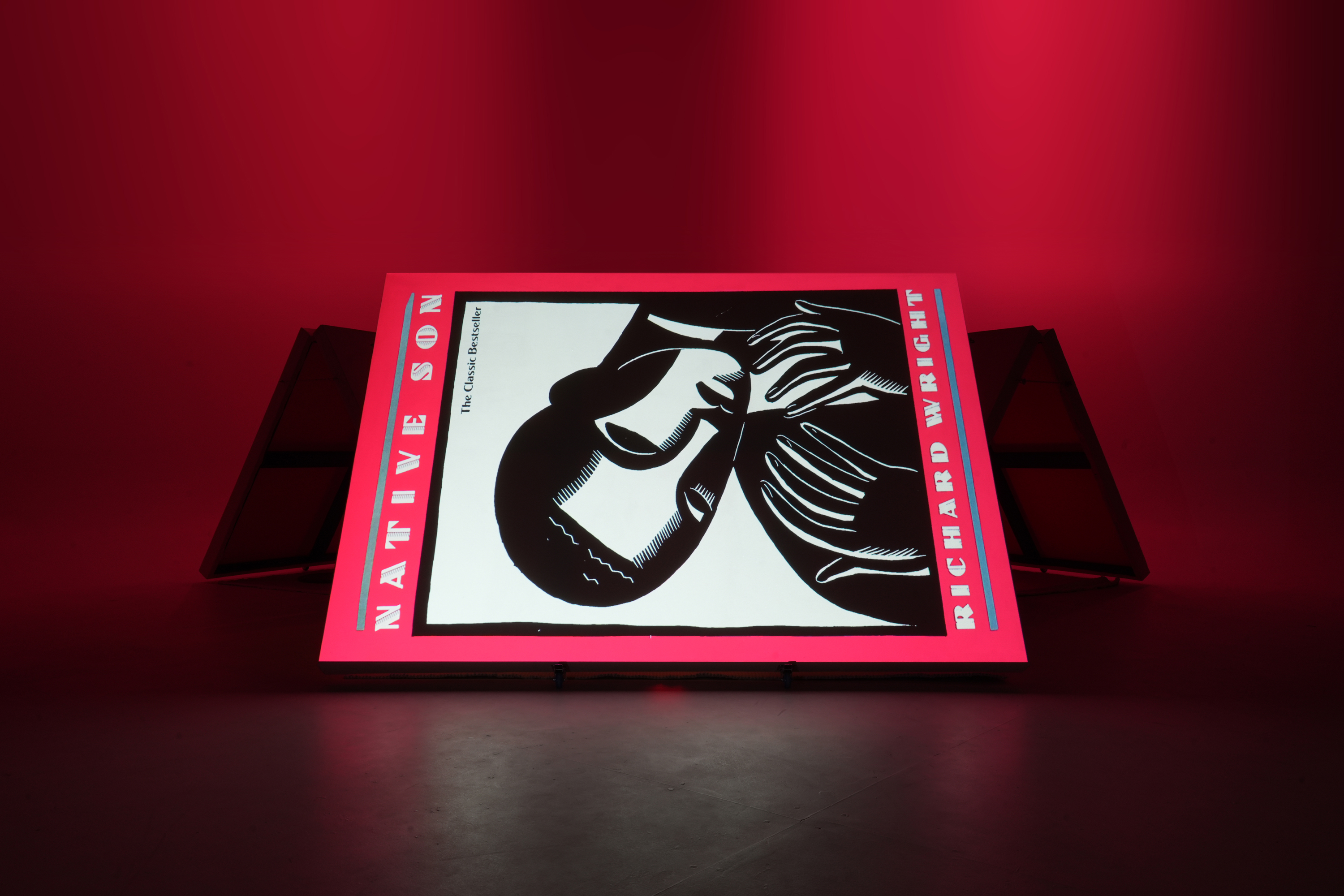
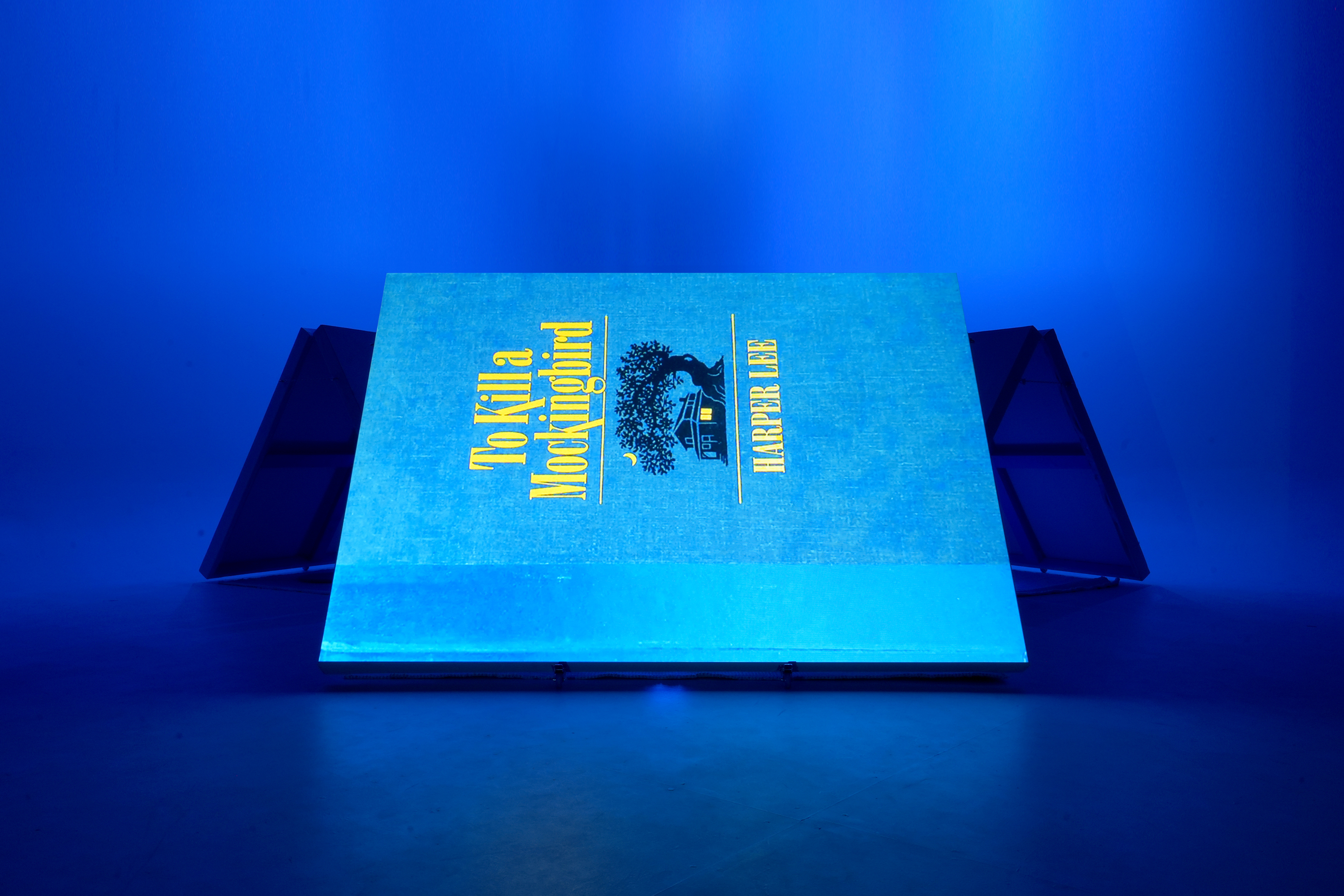
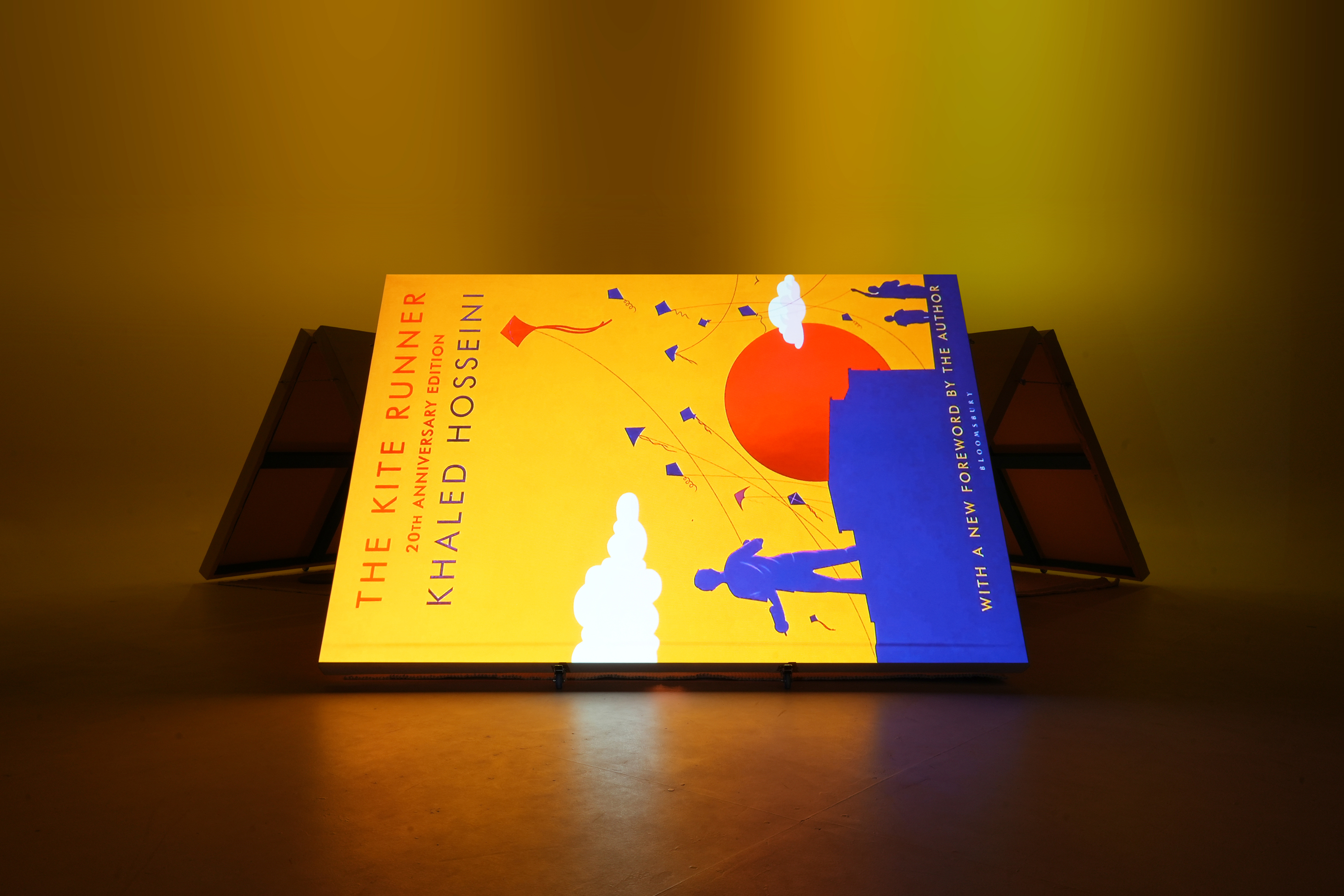
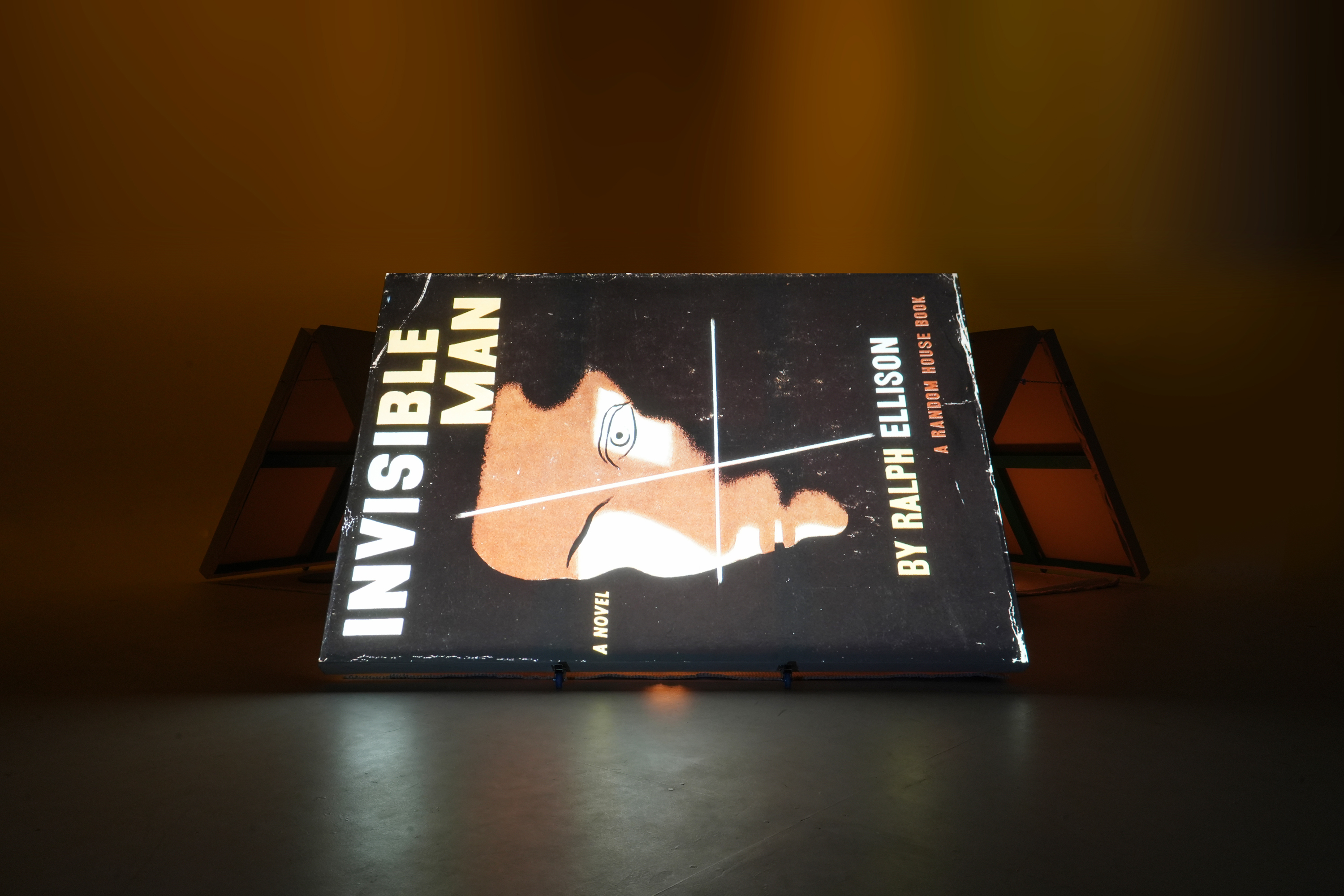
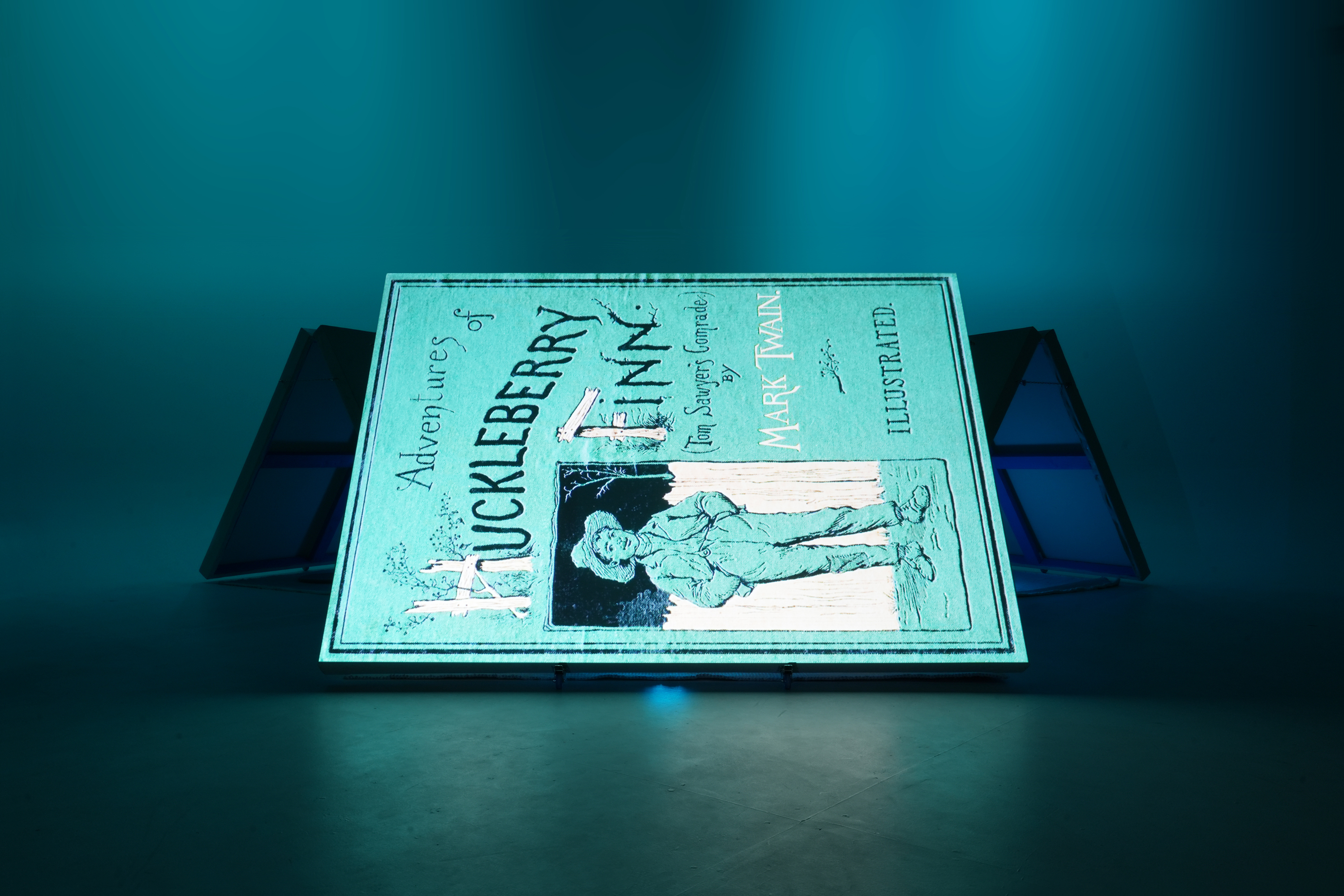

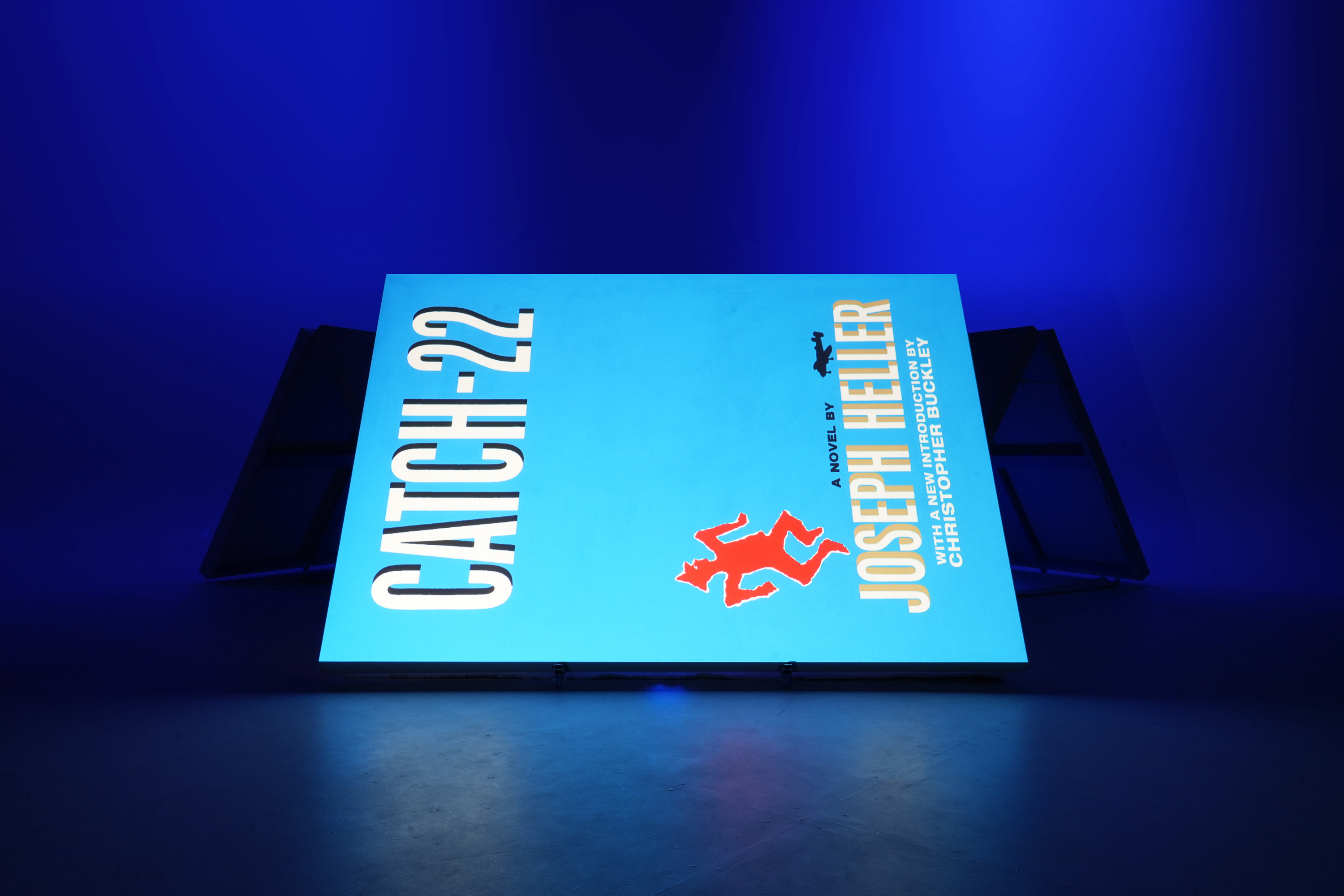
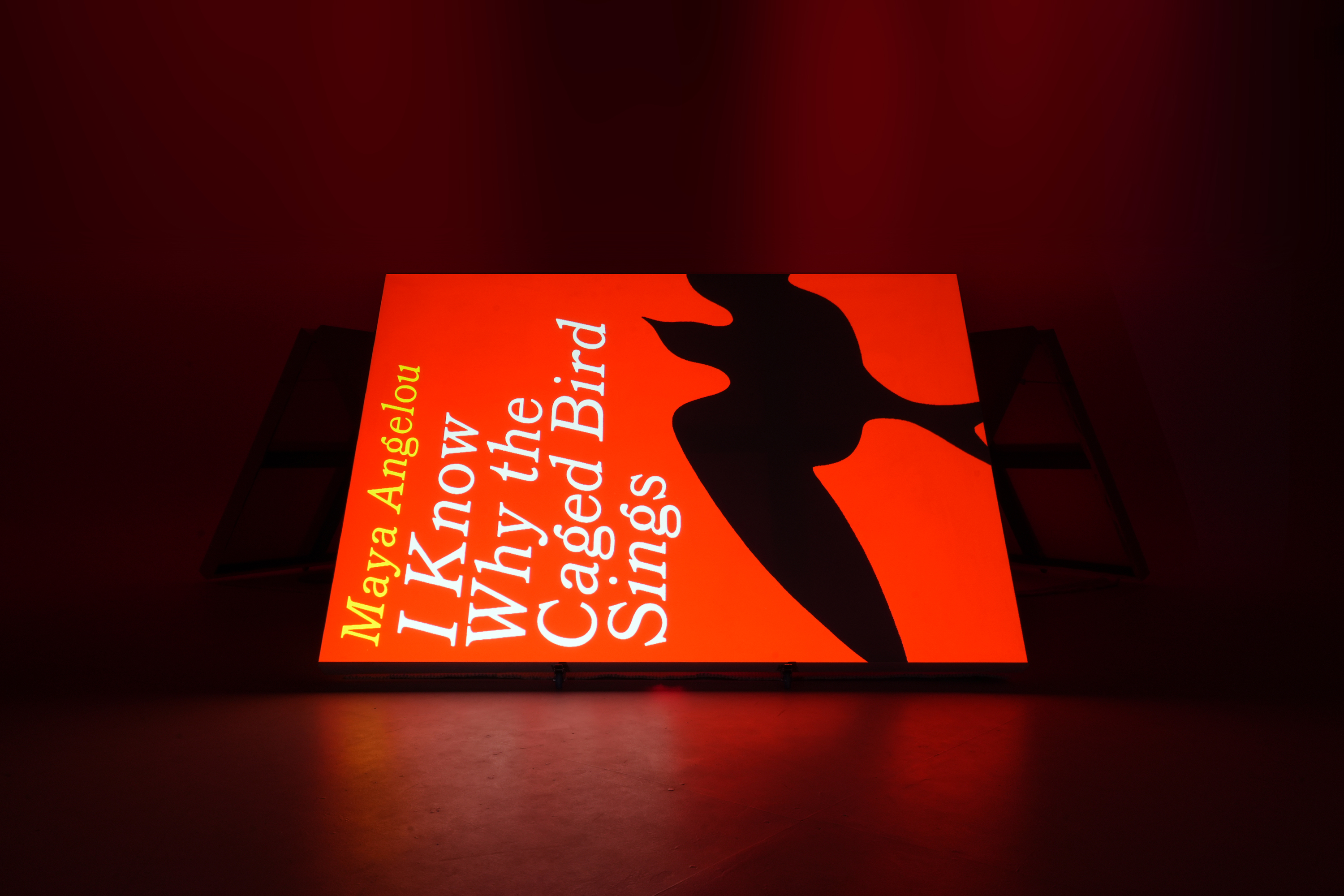


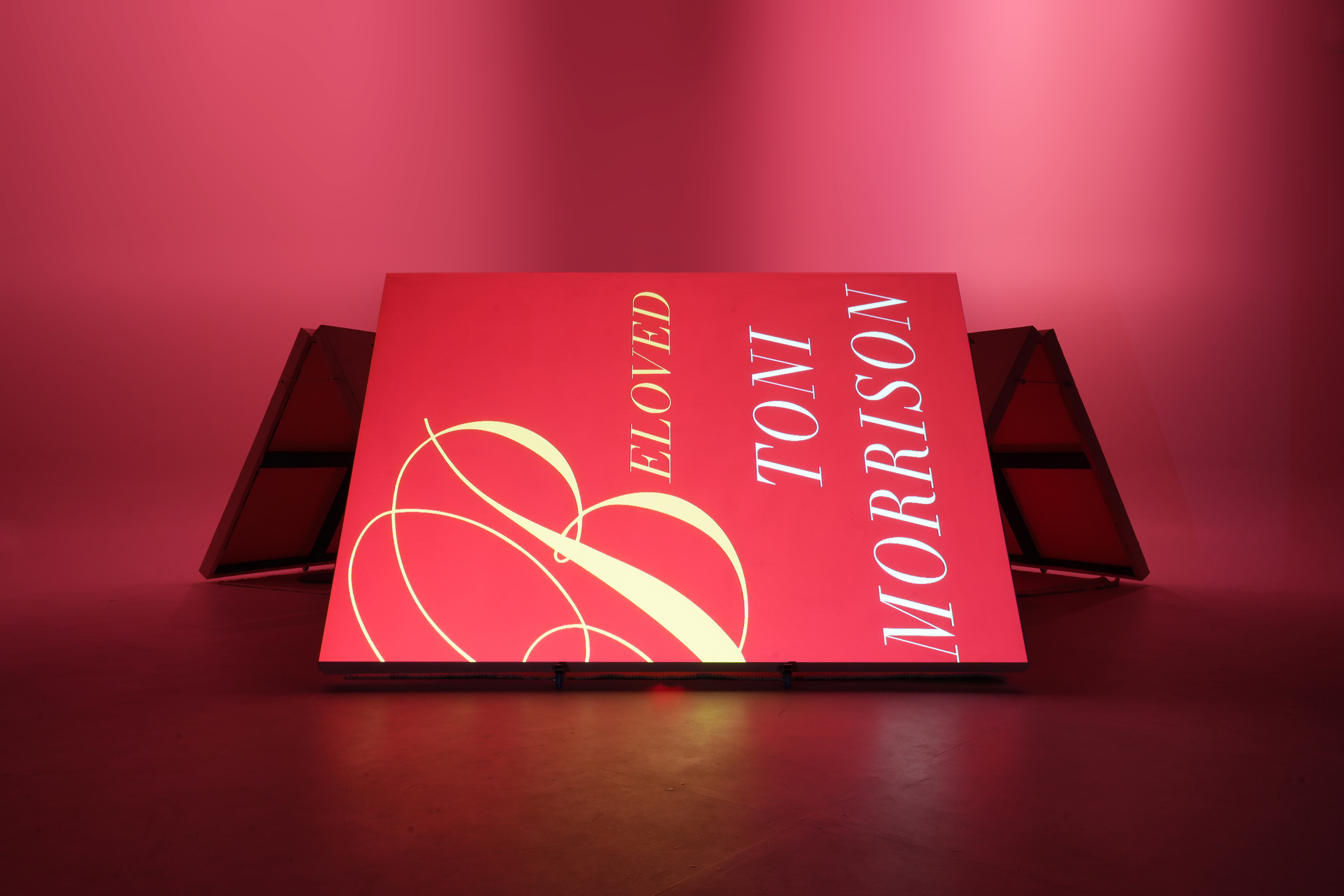
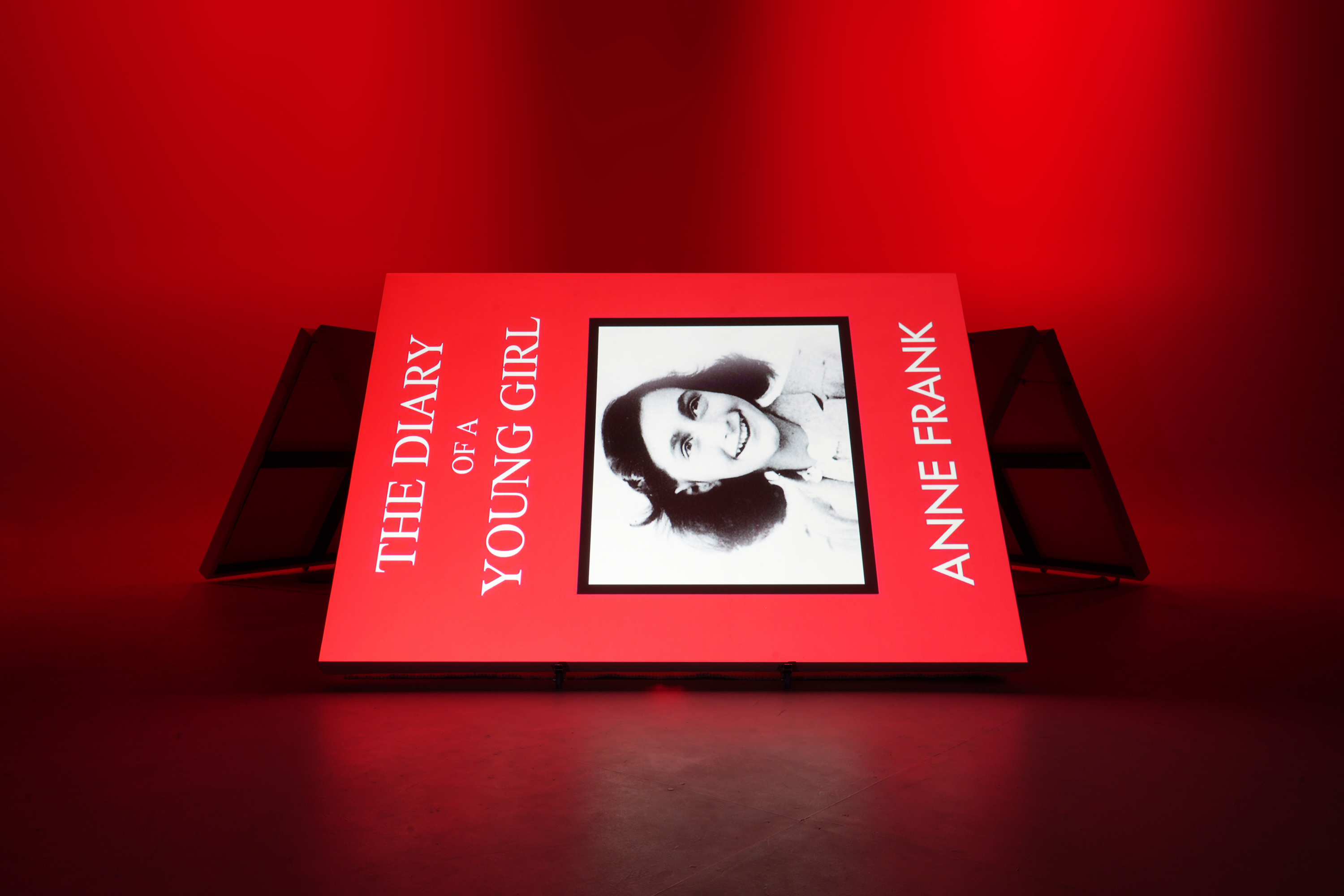

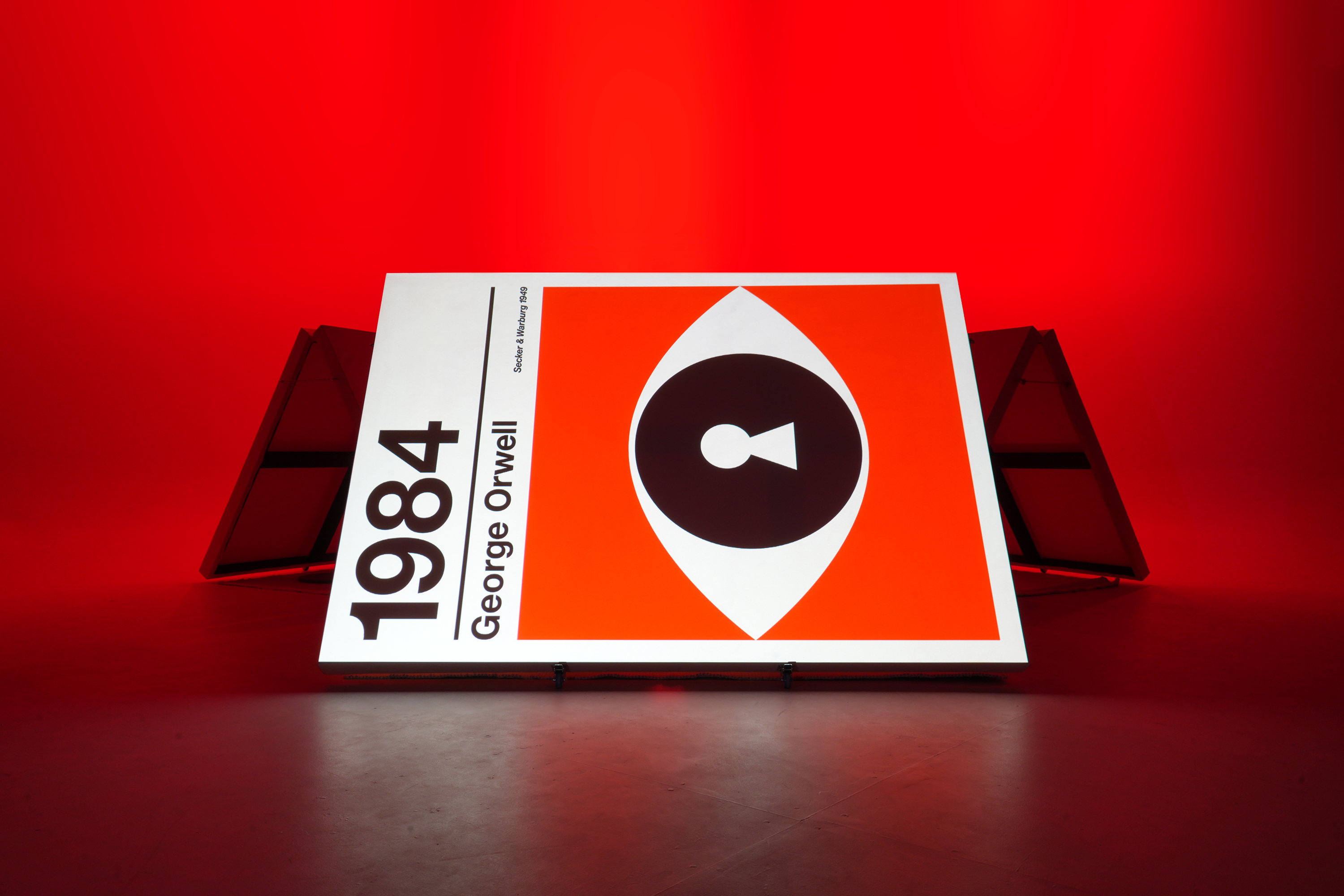
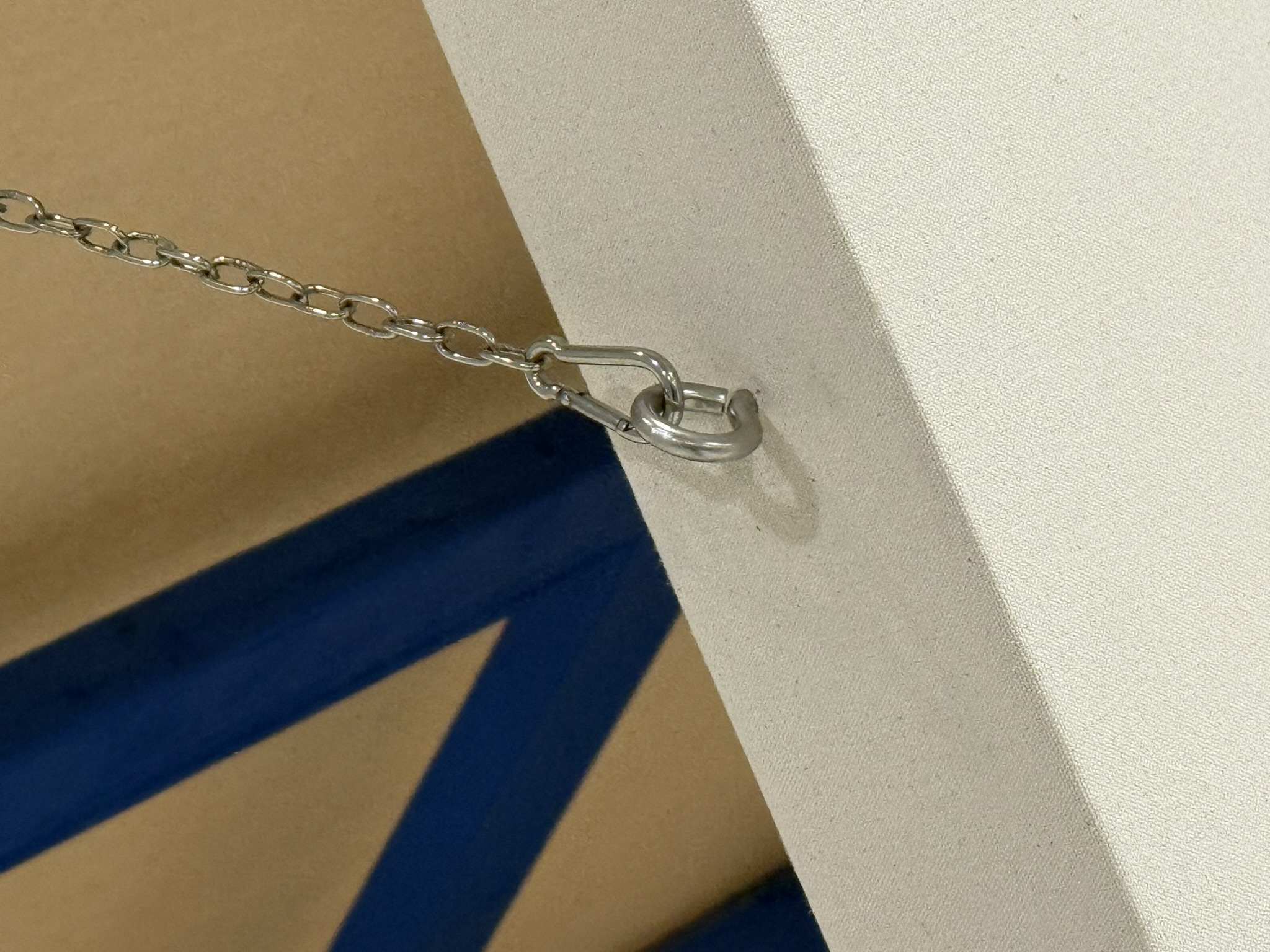
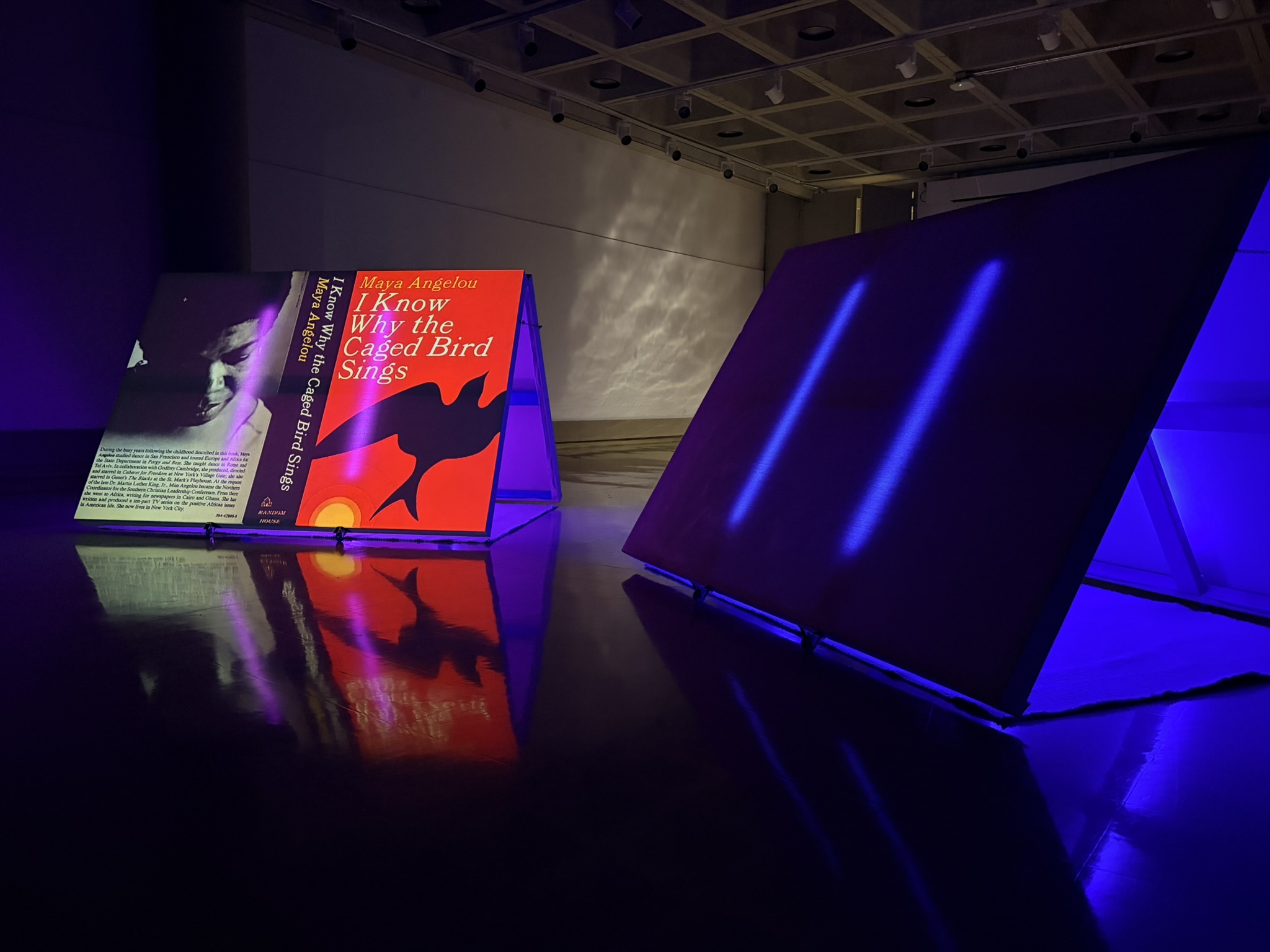

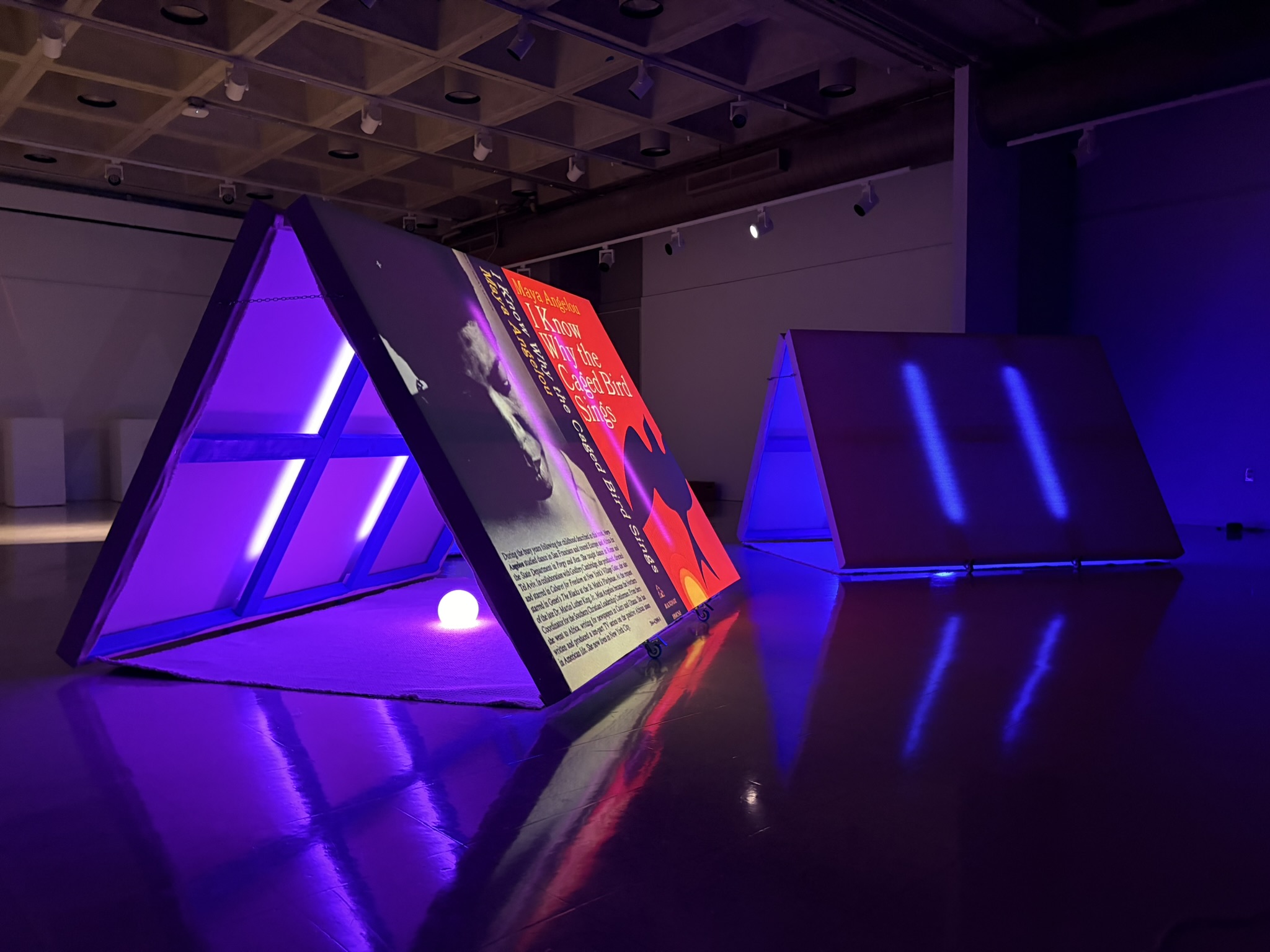
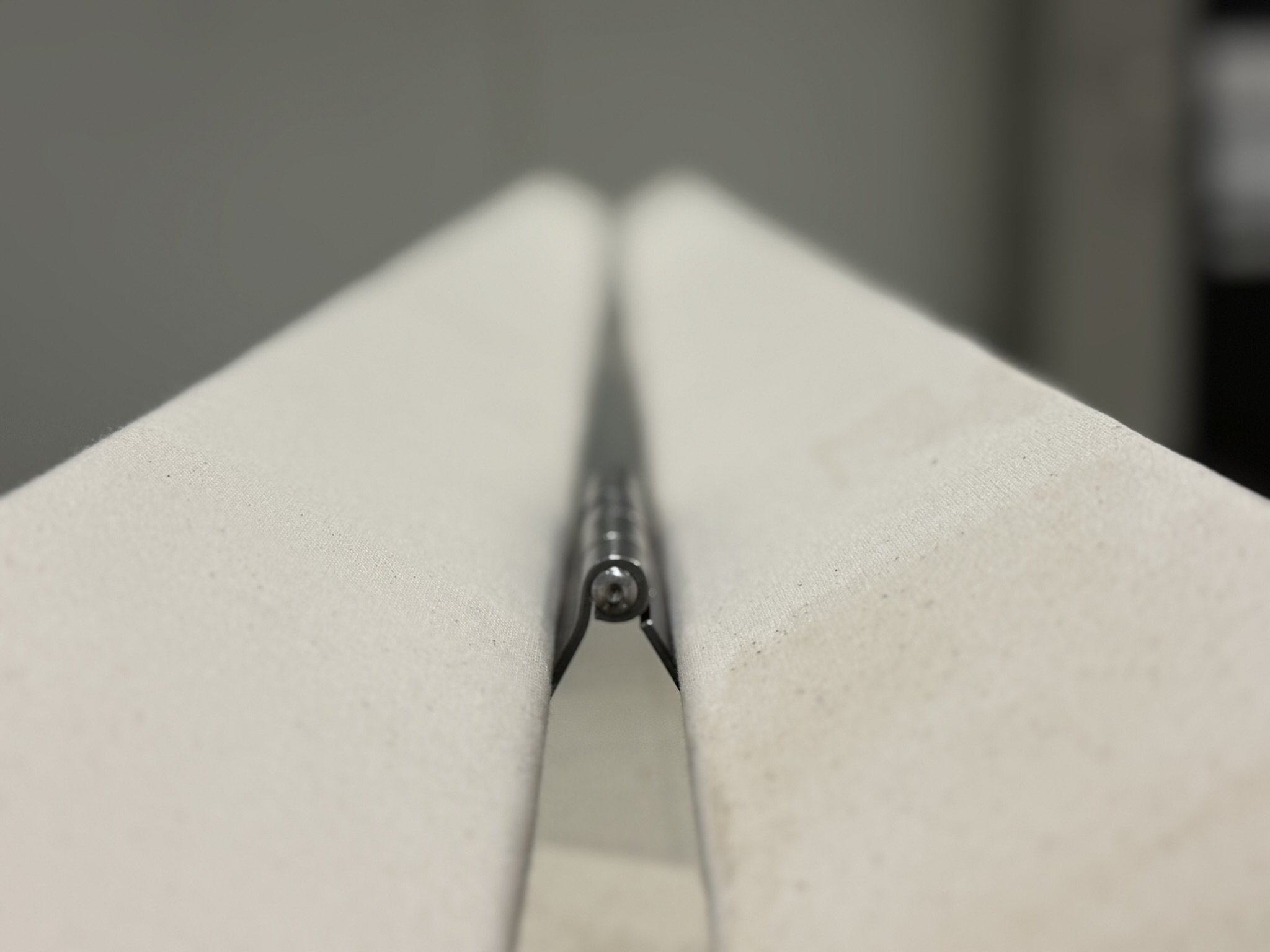
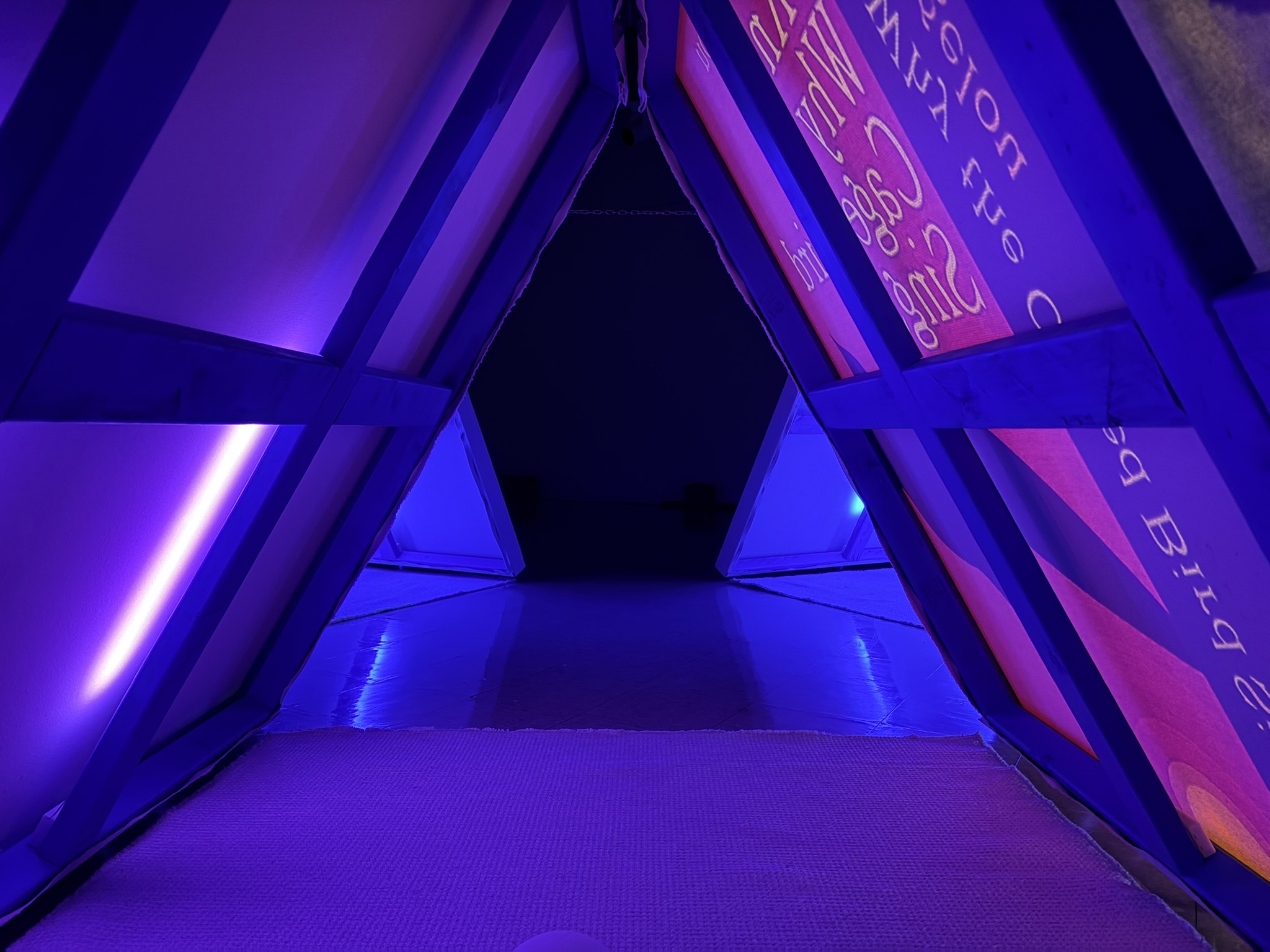



This project seeks to provide students a safe space for reading books banned from Iowa’s K-12 libraries by Senate File 496 (SF 496).
SF 496 is a statewide education law passed in Iowa in 2023 that attempted to remove library materials containing descriptions of “sex acts” and forbid discussions about gender identity and sexual orientation. Religious texts such as the Christian Bible were given exception to the rule. Colloquially known as the “Book Ban” or “Don’t Say Gay” law, the legislation resulted in the removal of approximately 3,400 books from Iowa school libraries including:
Adventures of Huckleberry Finn, by Mark Twain
The Diary of a Young Girl, by Anne Frank
The Color Purple, by Alice Walker
Animal Farm, by George Orwell
1984, by George Orwell
Beloved, The Bluest Eye, Song of Solomon by Toni Morrison
Brave New World, by Aldous Huxley
The Handmaid’s Tale, by Margaret Atwood
I Know Why the Caged Bird Sings, by Maya Angelou
Slaughterhouse Five, by Kurt Vonnegut
The Kite Runner, by Khaled Hosseini
Where the Crawdad Sings, by Delia Owens
Wicked, by Gregory Maguire
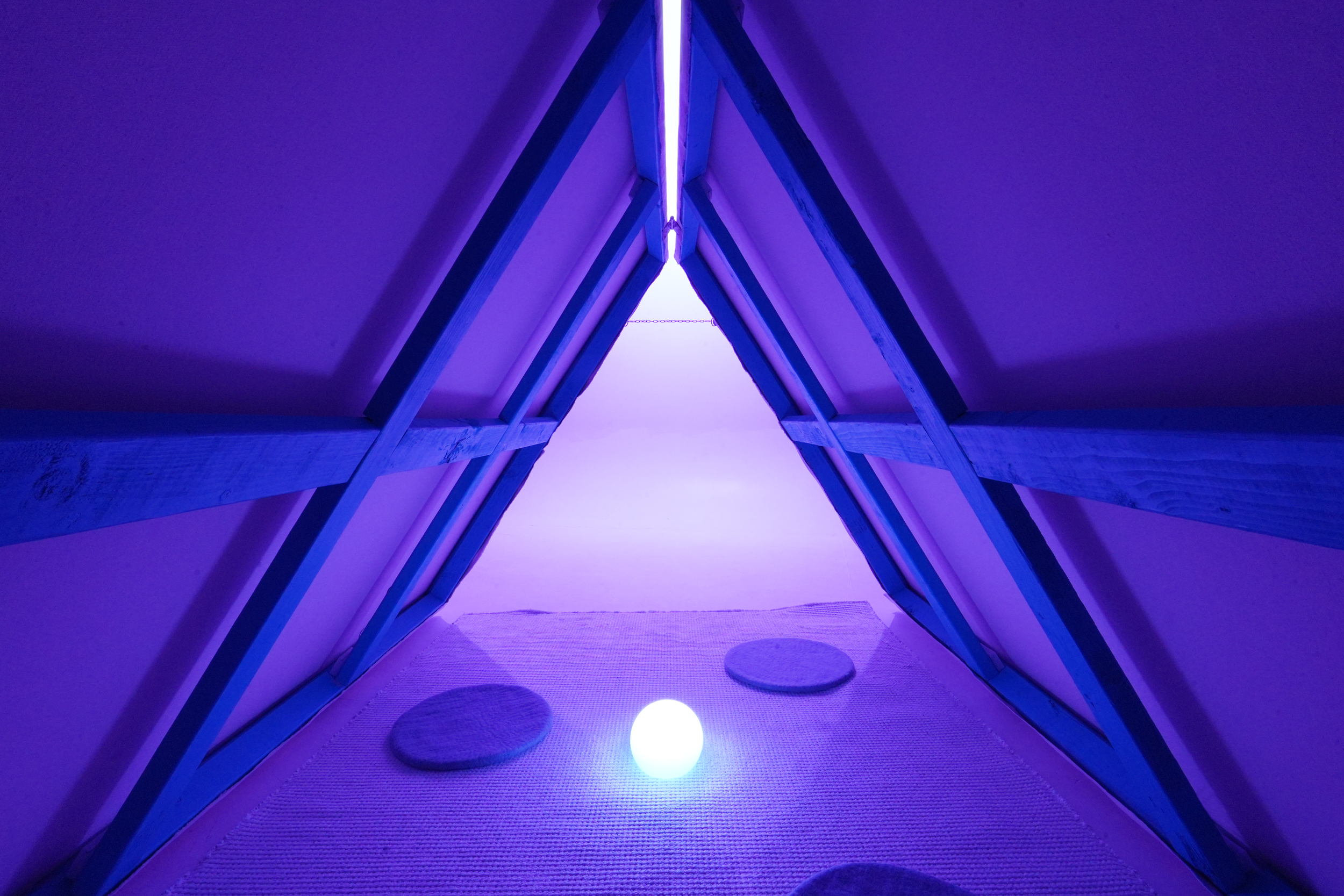
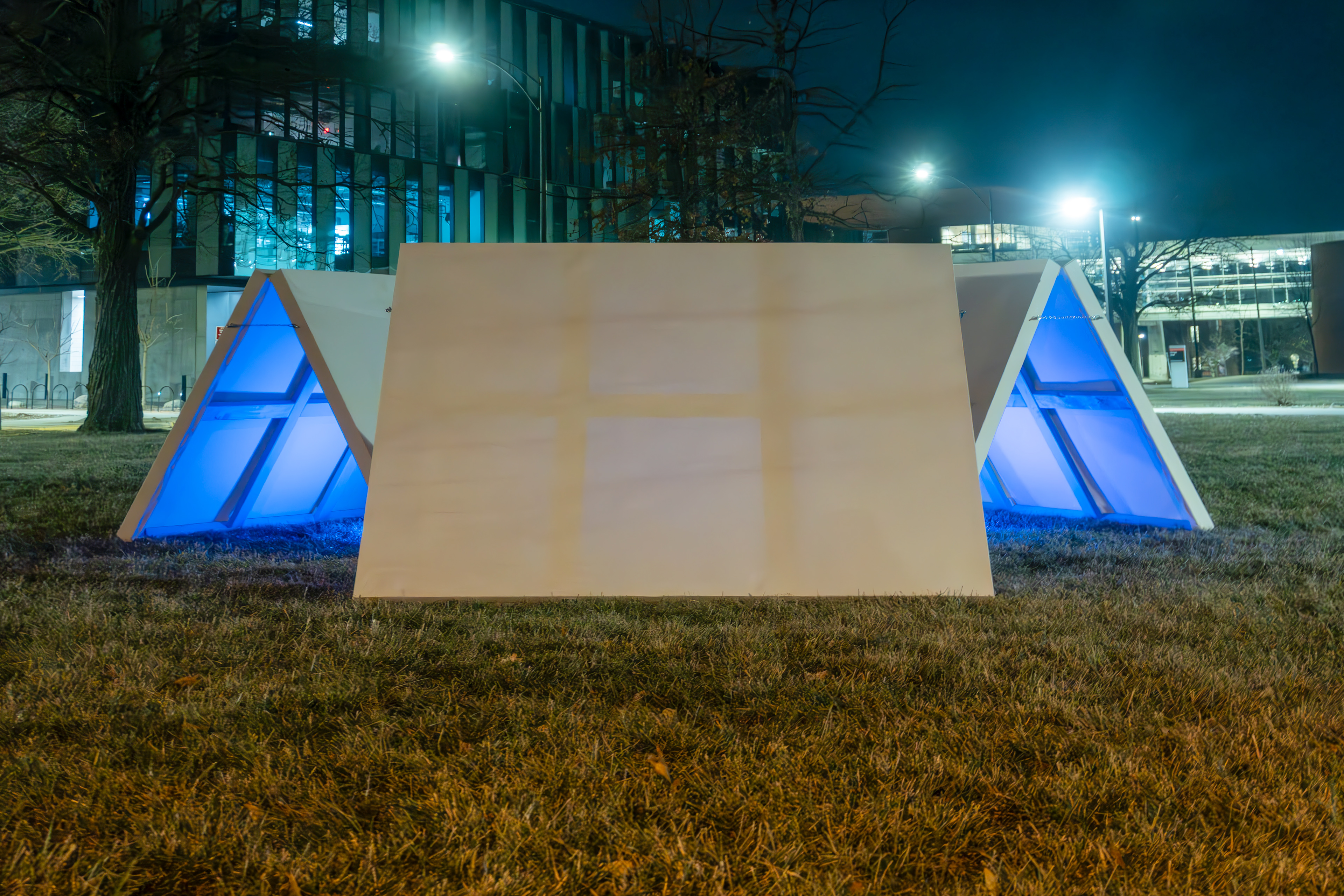
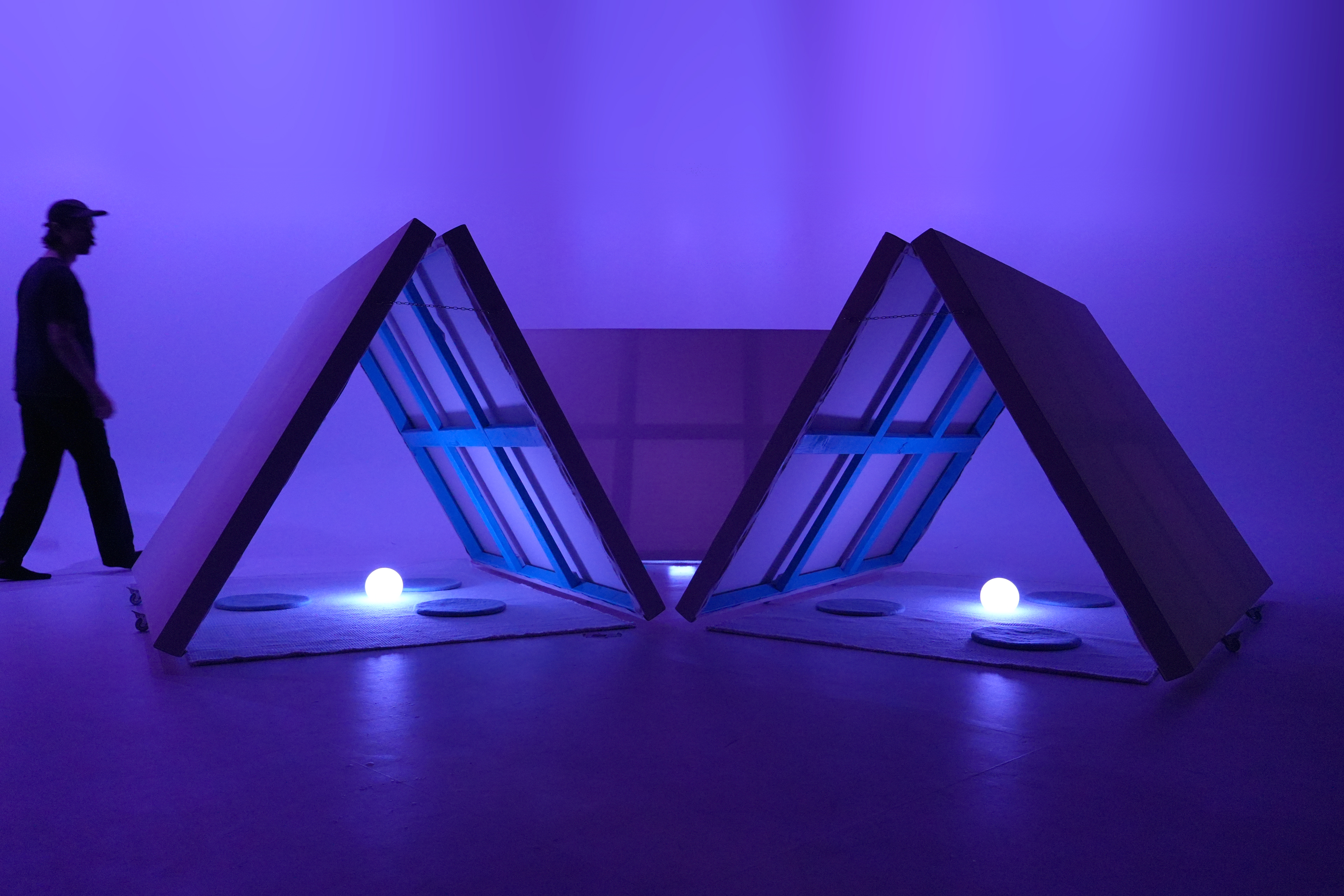
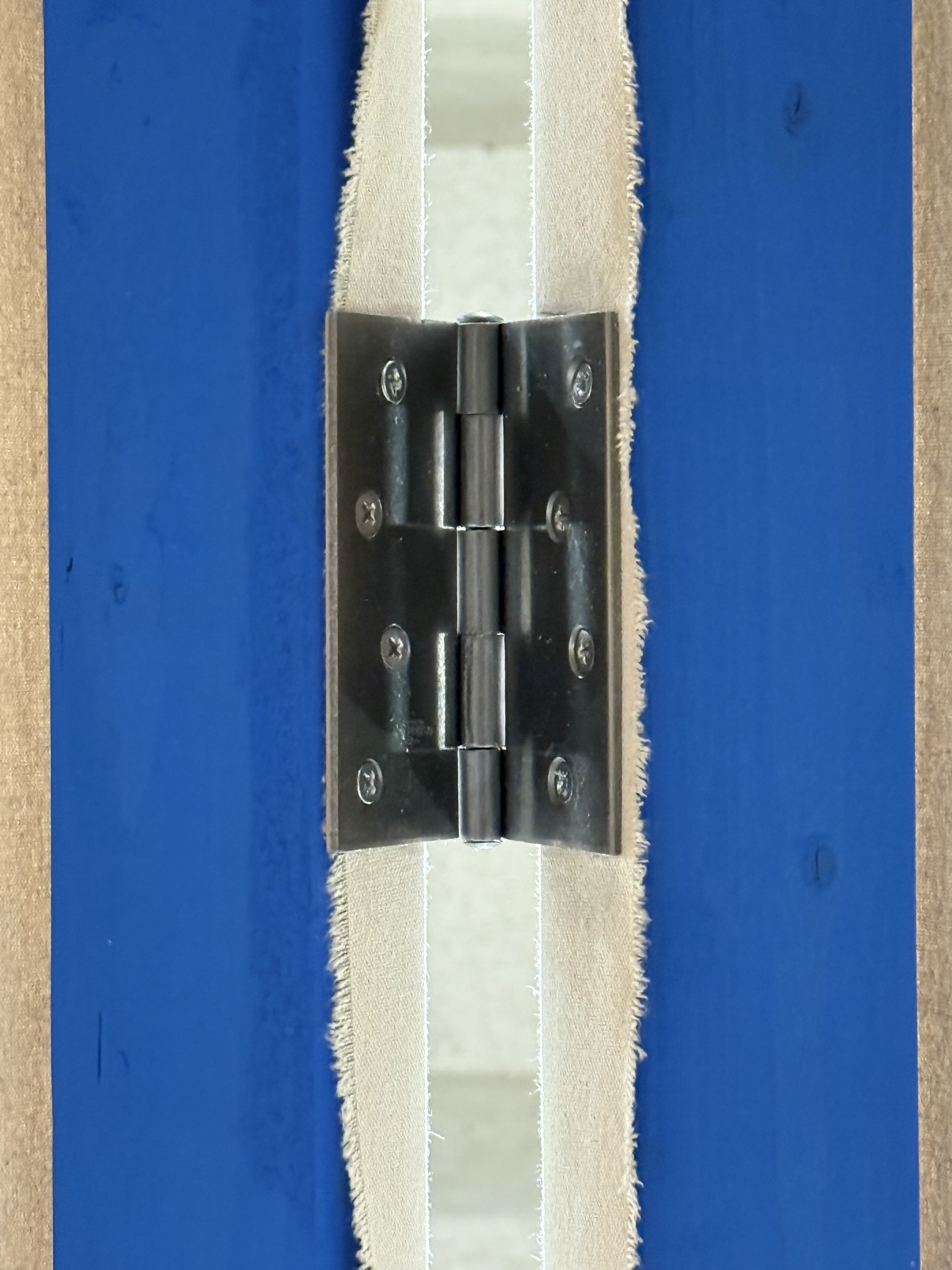
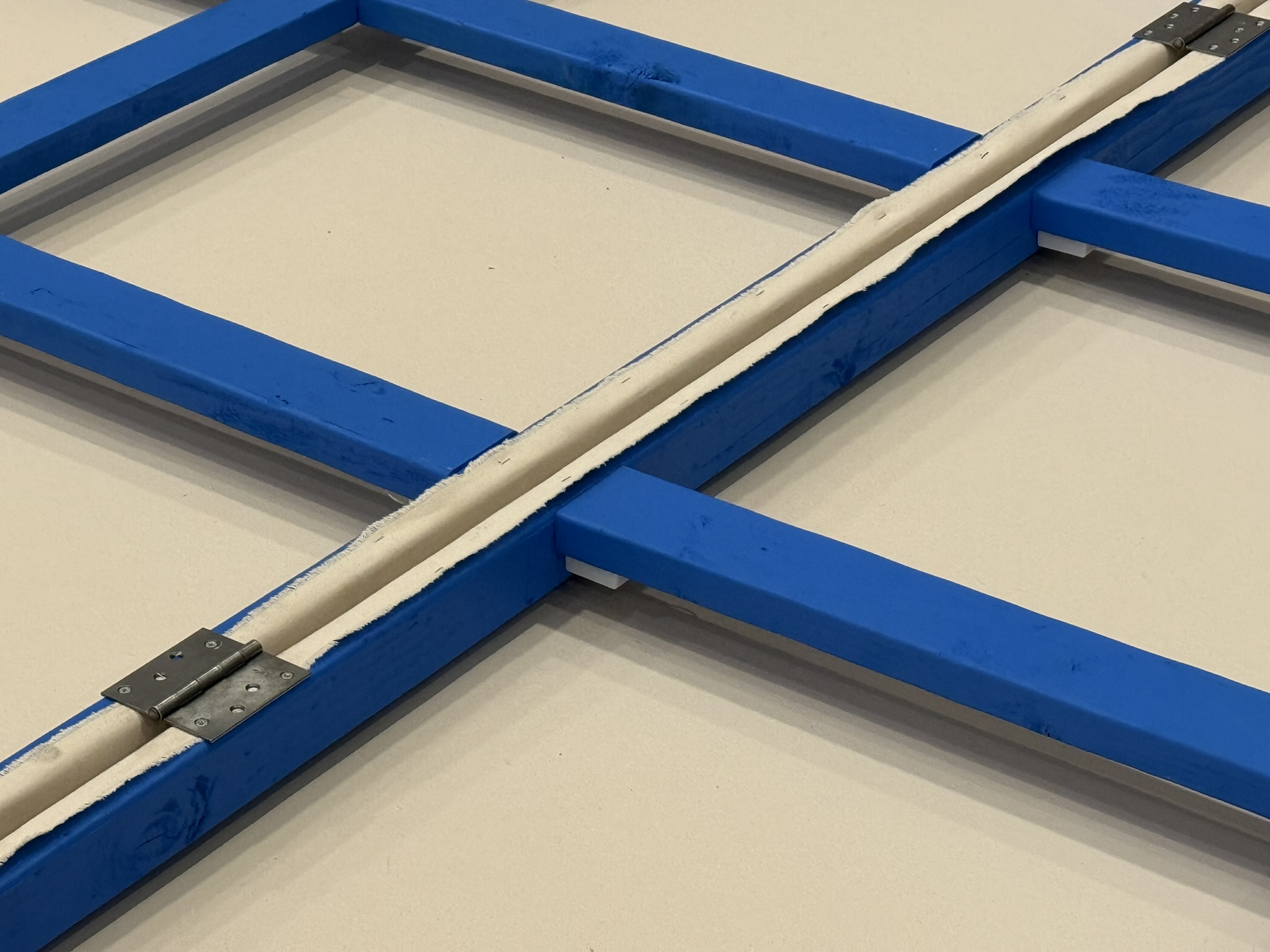
ZA (Zuroweste Architecture) was invited by WAI Architecture Think Tank (Nathalie Frankowski and Cruz Garcia) to participate in their Fall 2025 exhibition A Classroom in the Future. ZA’s contribution, “A Traveling Sanctuary for Reading Banned Books,” takes its form from the structure of a book: a front and back cover connected by a spine. Built as 5’ x 7’ large-scale canvas stretchers, each leaf is connected by stainless steel door hinges that allow the sanctuaries to open and close like a book. Attached to each leaf are two steel casters, allowing the sanctuaries to travel freely and become nomadic. The three sancturies can be arranged: 1) spine-to-the-ceiling to create reading tents (steel chains are provided to incrementally modify opening angles, prevent lateral thrusting, and ensure structural saftey); or, 2) spine-to-the-wall to create wall partitions. Following the exhibition, the canvas stretchers will be demounted and given to local artists to paint on. LEDs controlled by are included, allowing readers to choose their favorite color light to read with. Rectangle carpets, inflatable spheres, foam cubes, and plants provide additional elements of comfort and play.
Special thanks to Annie’s Foundation, an anti-censorship non-profit that donated 150 banned books for distribution throughout the installation.