


.svg)


Le Shed


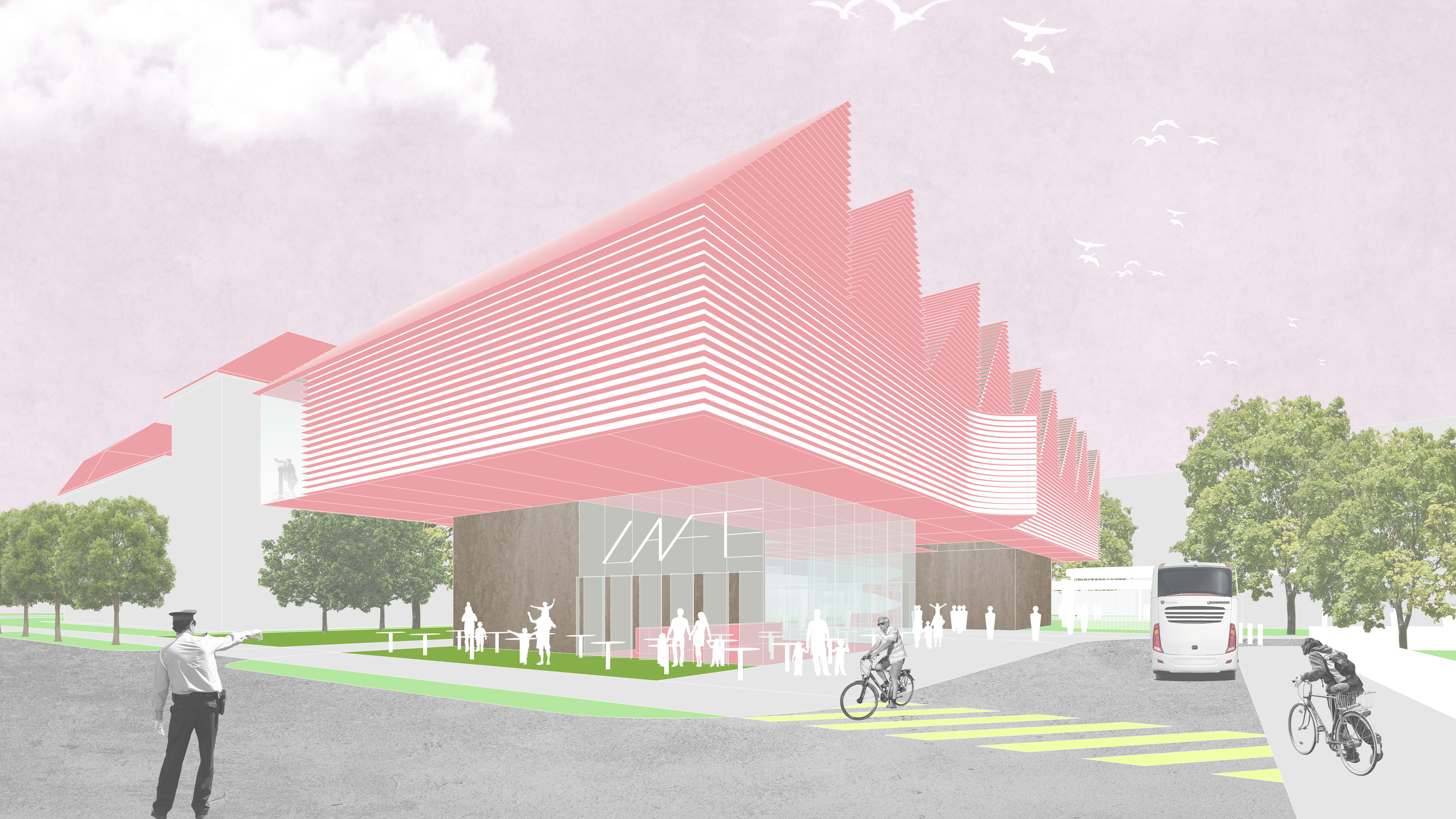
How can a complex program consisting of new laboratory spaces, exhibition halls, and administrative offices integrate with an existing historic UNESCO world heritage neighborhood completed by Mies van der Rohe for the 1927 International Building Exhibition in Stuttgart, Germany?
Role Director, ZA (in collaboration with Hausler Studio)
Competition Organizer Internationale Bauausstellung ‘27
Location Stuttgart, Germany
Year 2022
Activity Practice, Research, Teaching, Organizing
Status Competition
Type Instituional, Higher Ed
Awards and Honors Finalist, Weissenhof 2027, open international campus masterplan competition, part of IBA27 (Internationalles Bauaustellung 2027), en: International Building Exhibition 2027), 2022 / Le Shed, Zuroweste Architecture (in collaboration with Hausler Studio)
Invited Group Exhibitions “Le Shed” in Weissenhof 2027 Competition Exhibition, IBA27 (Internationalles Bauaustellung 2027, en: International Building Exhibition 2027), Stuttgart, Germany, 2022
Related:
Images
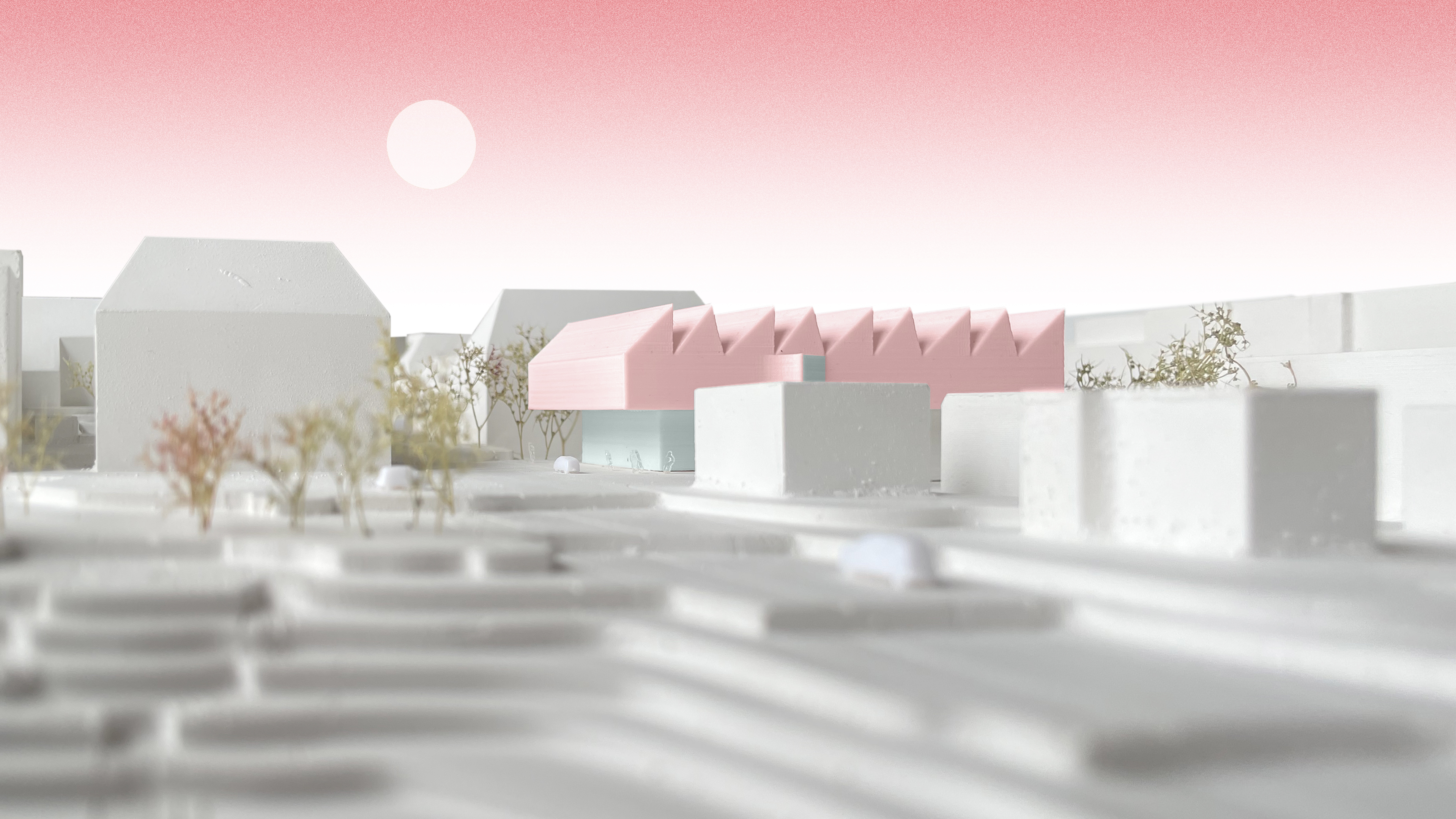
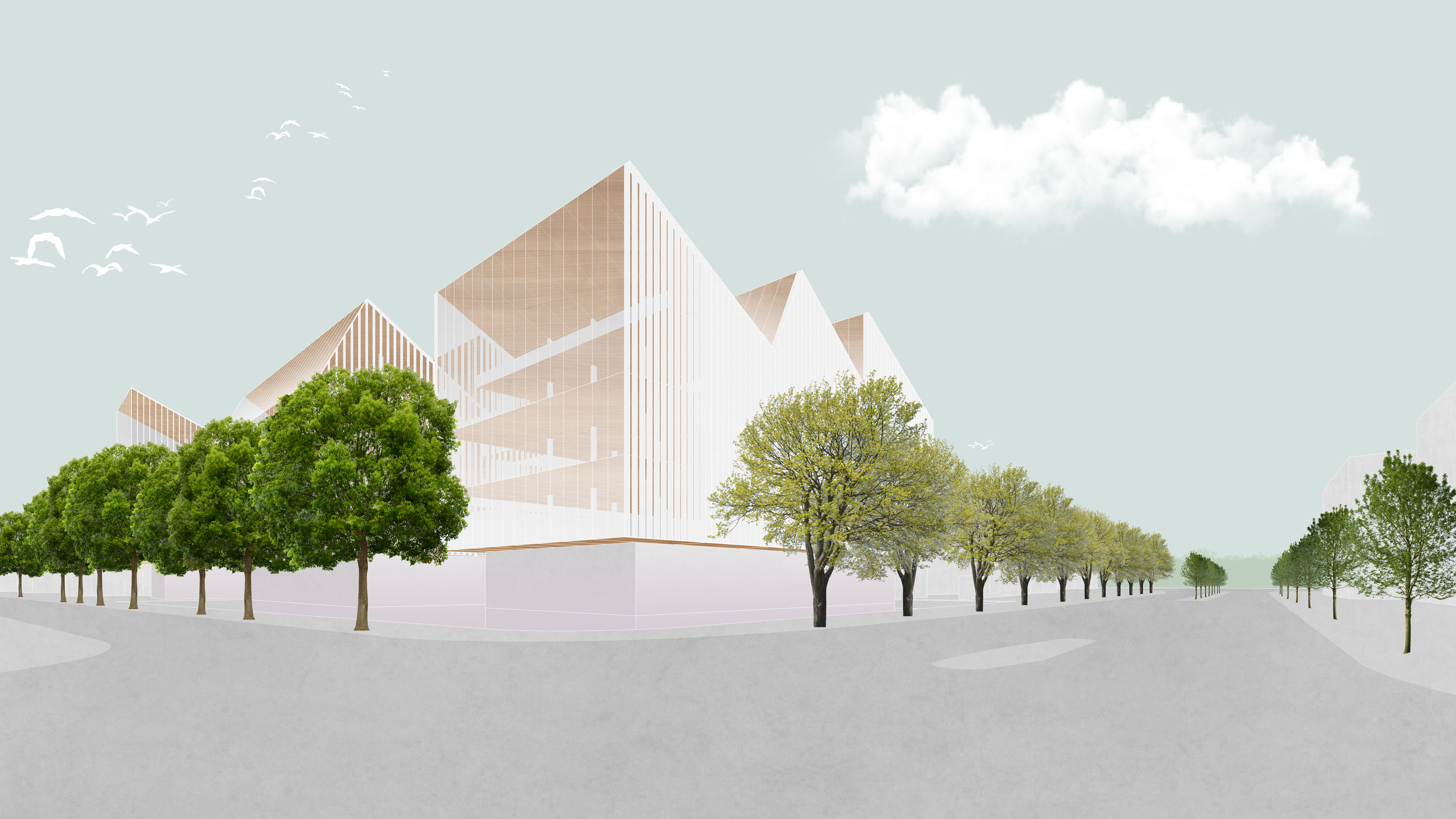
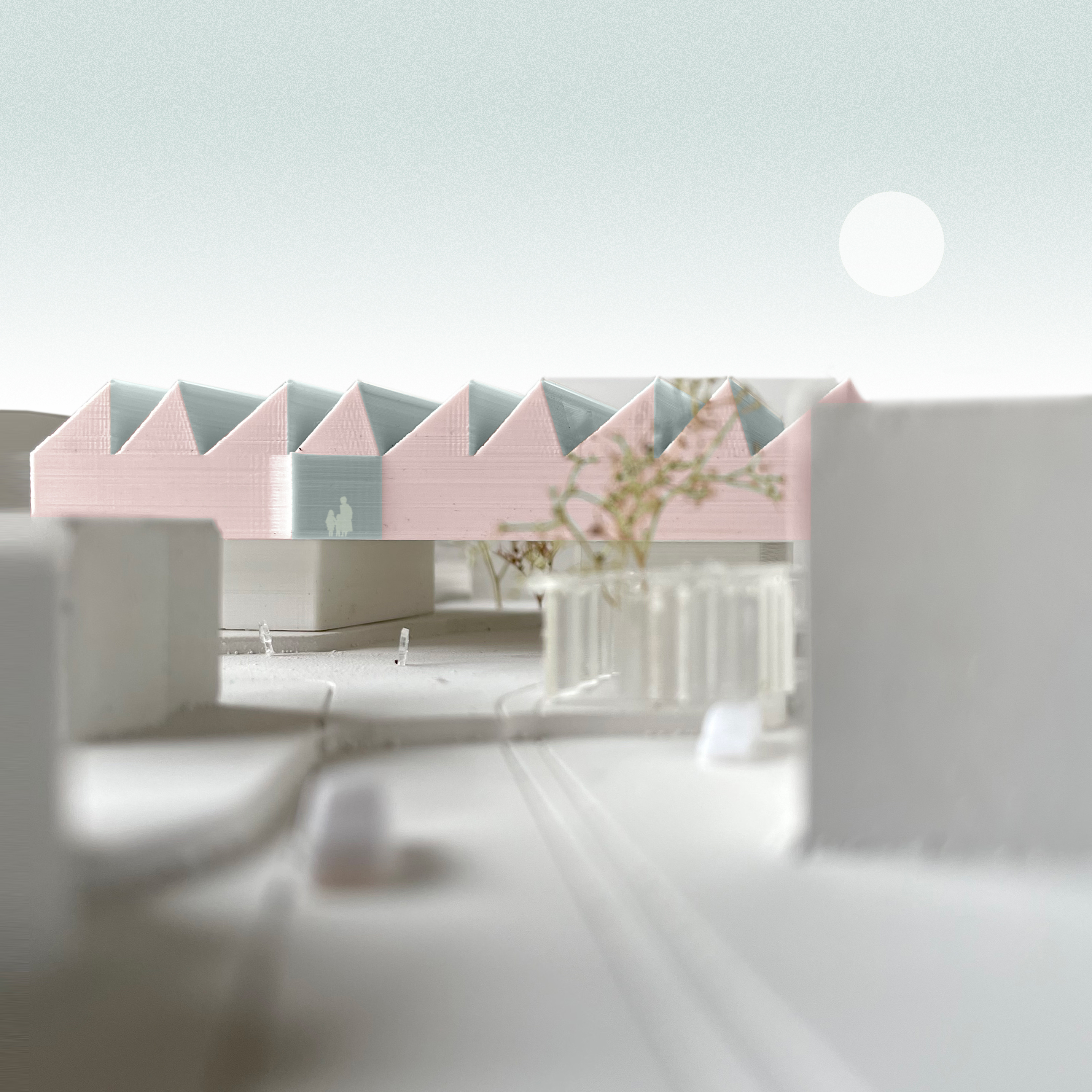
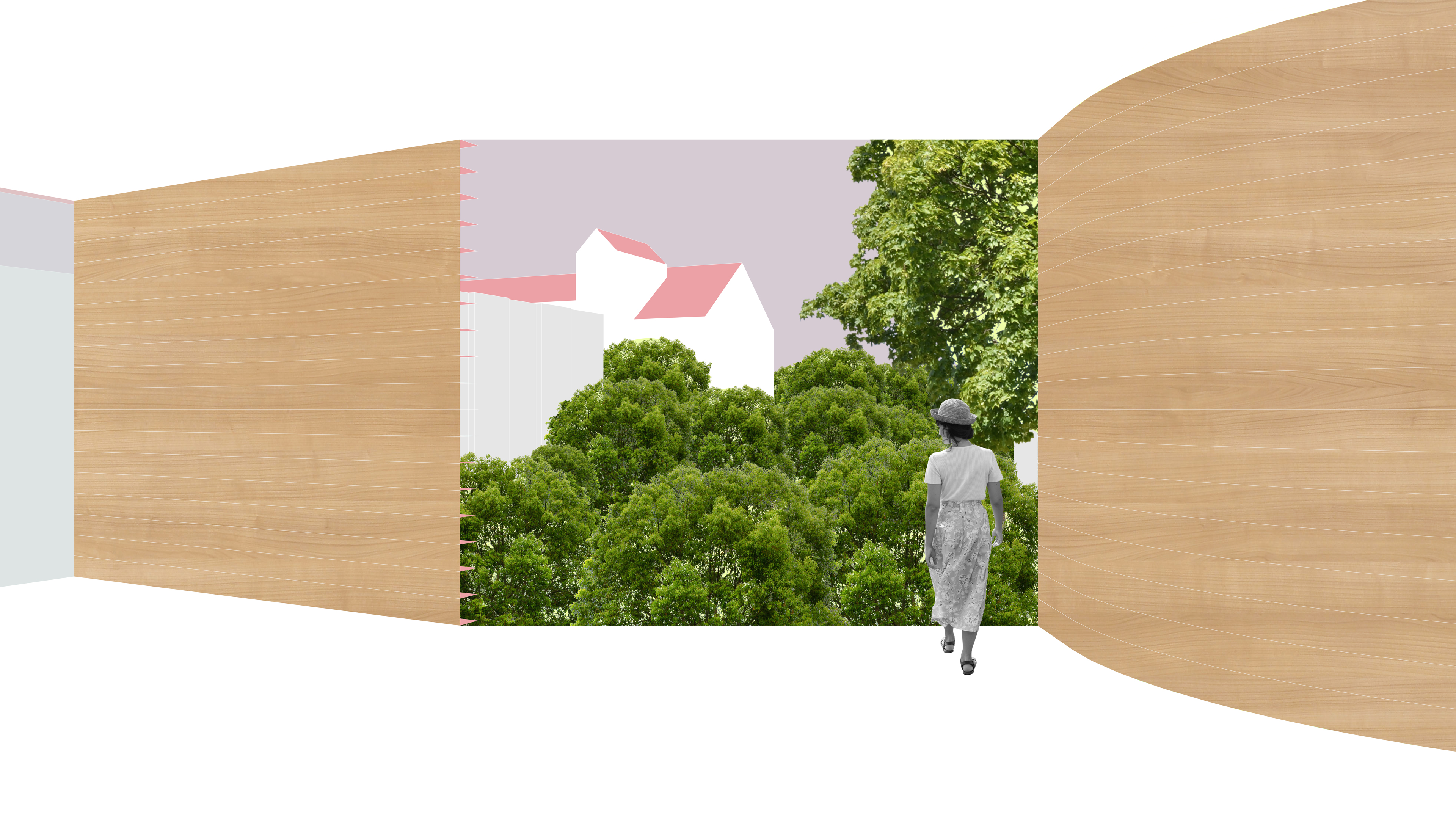
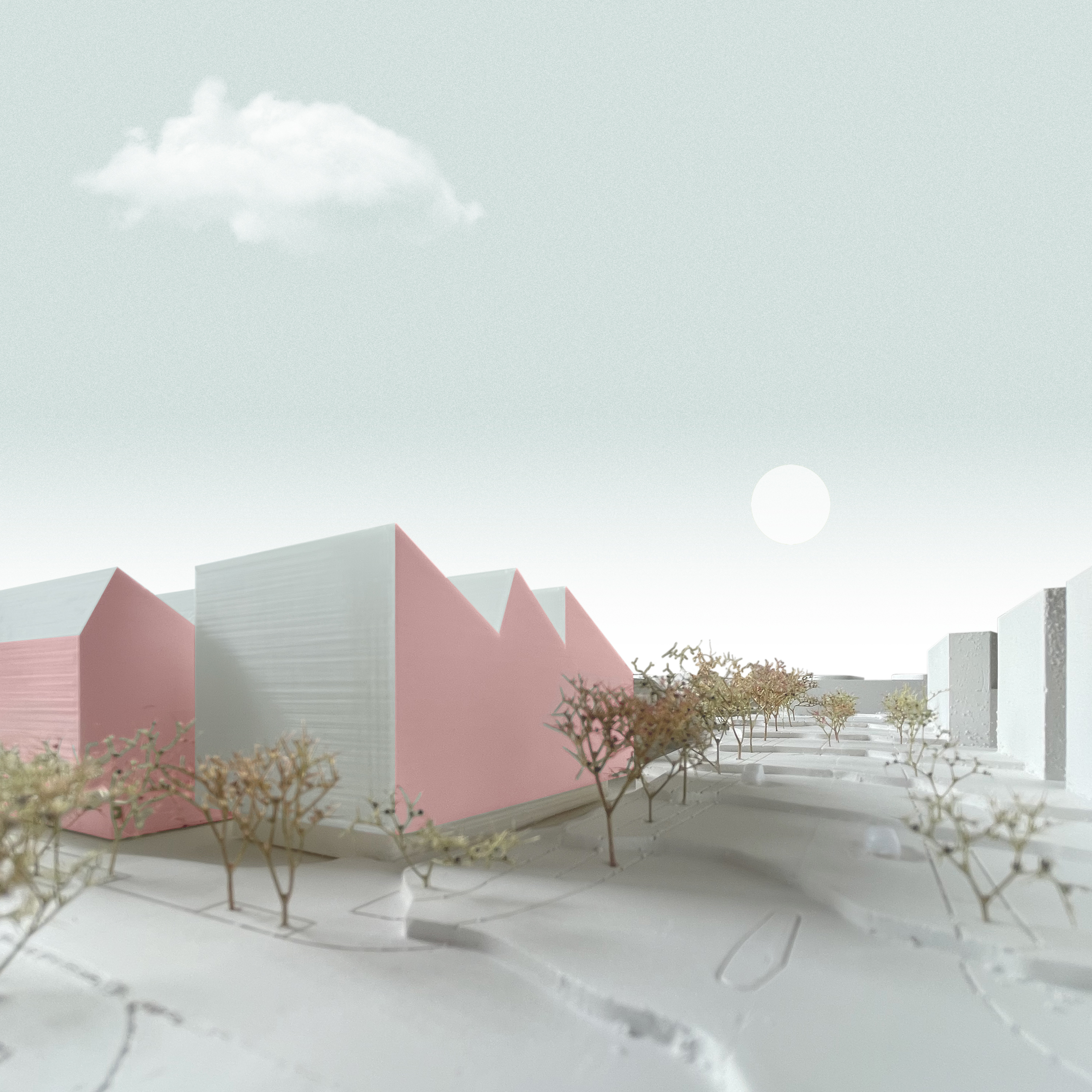
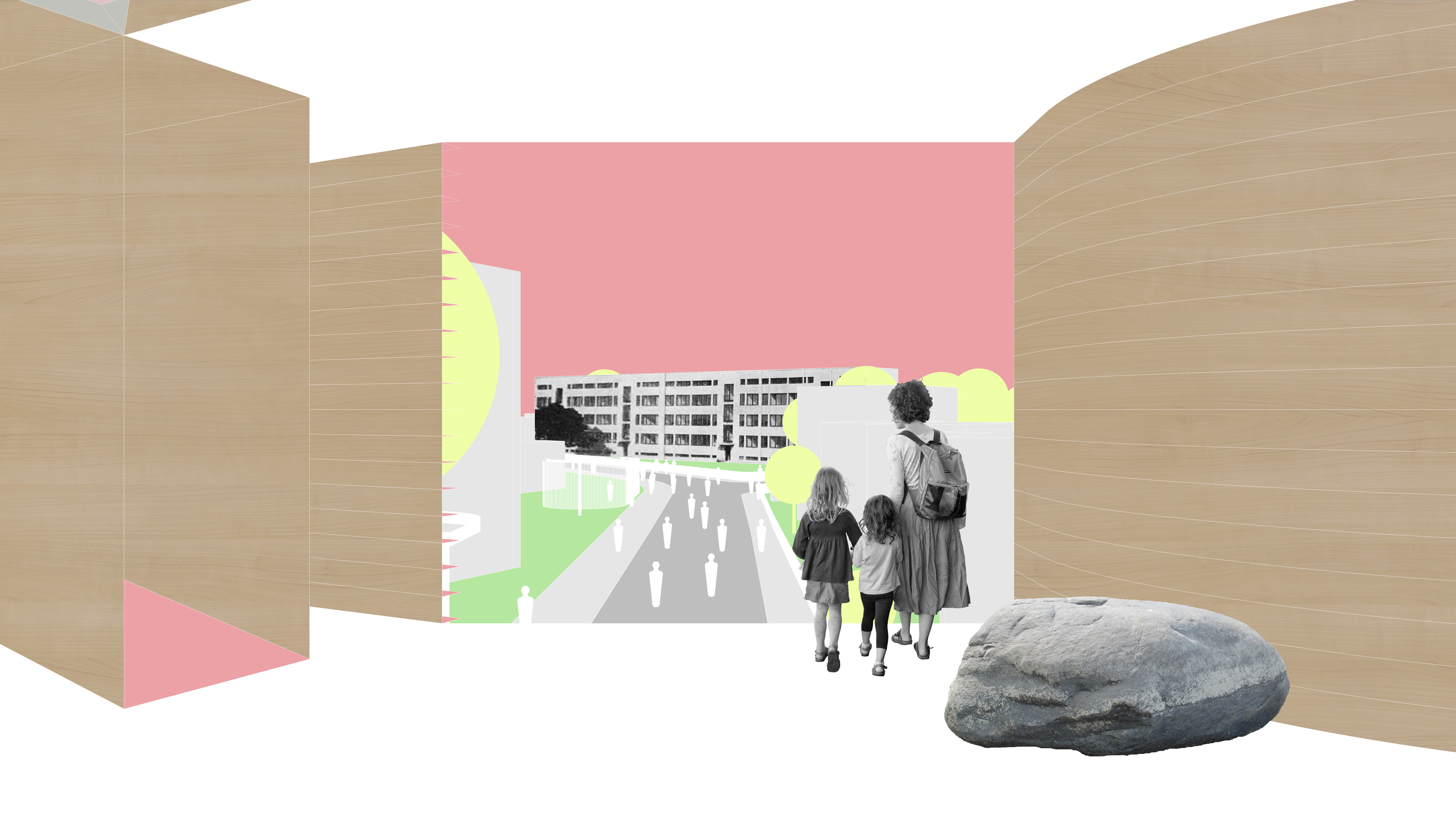

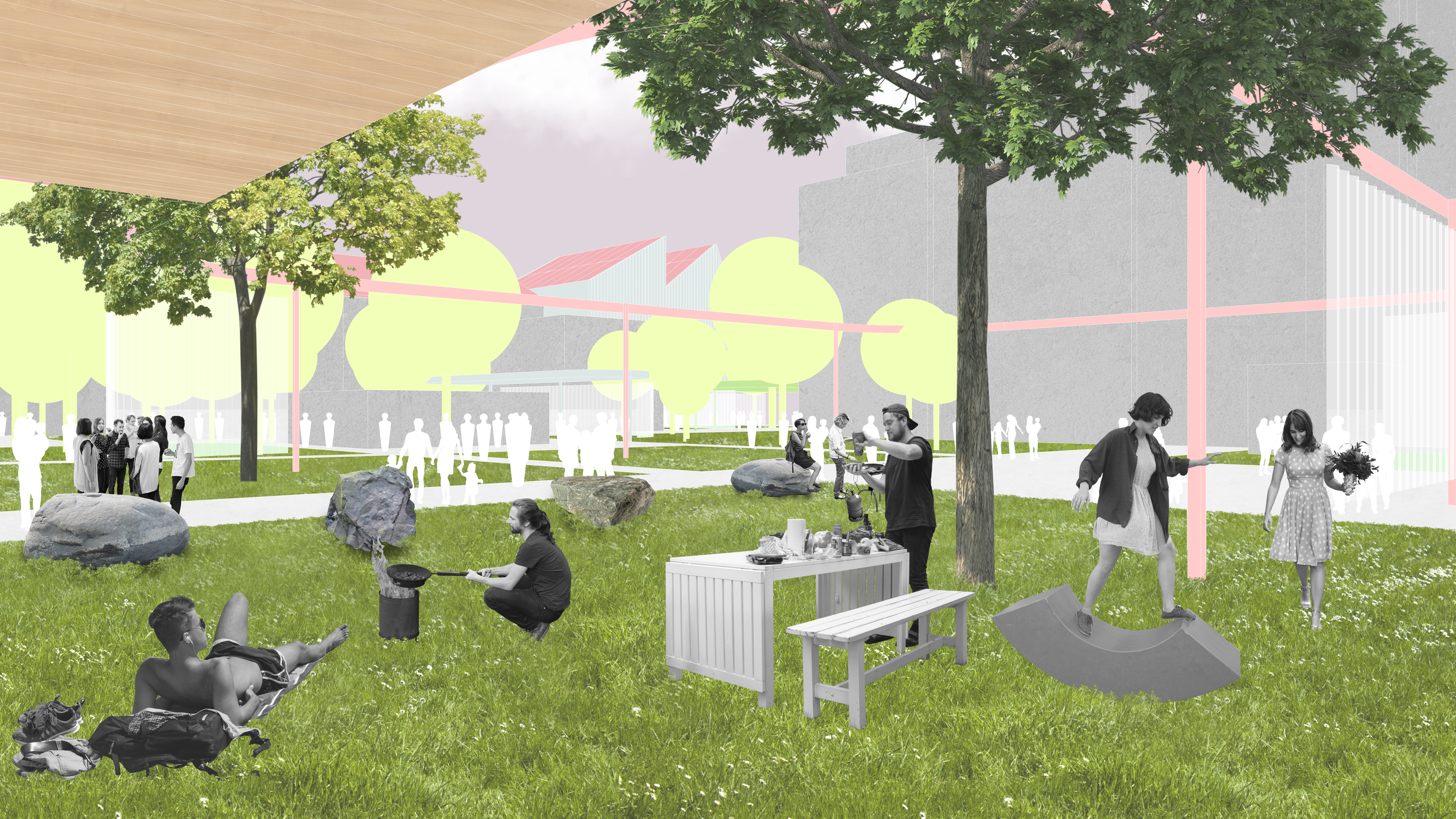
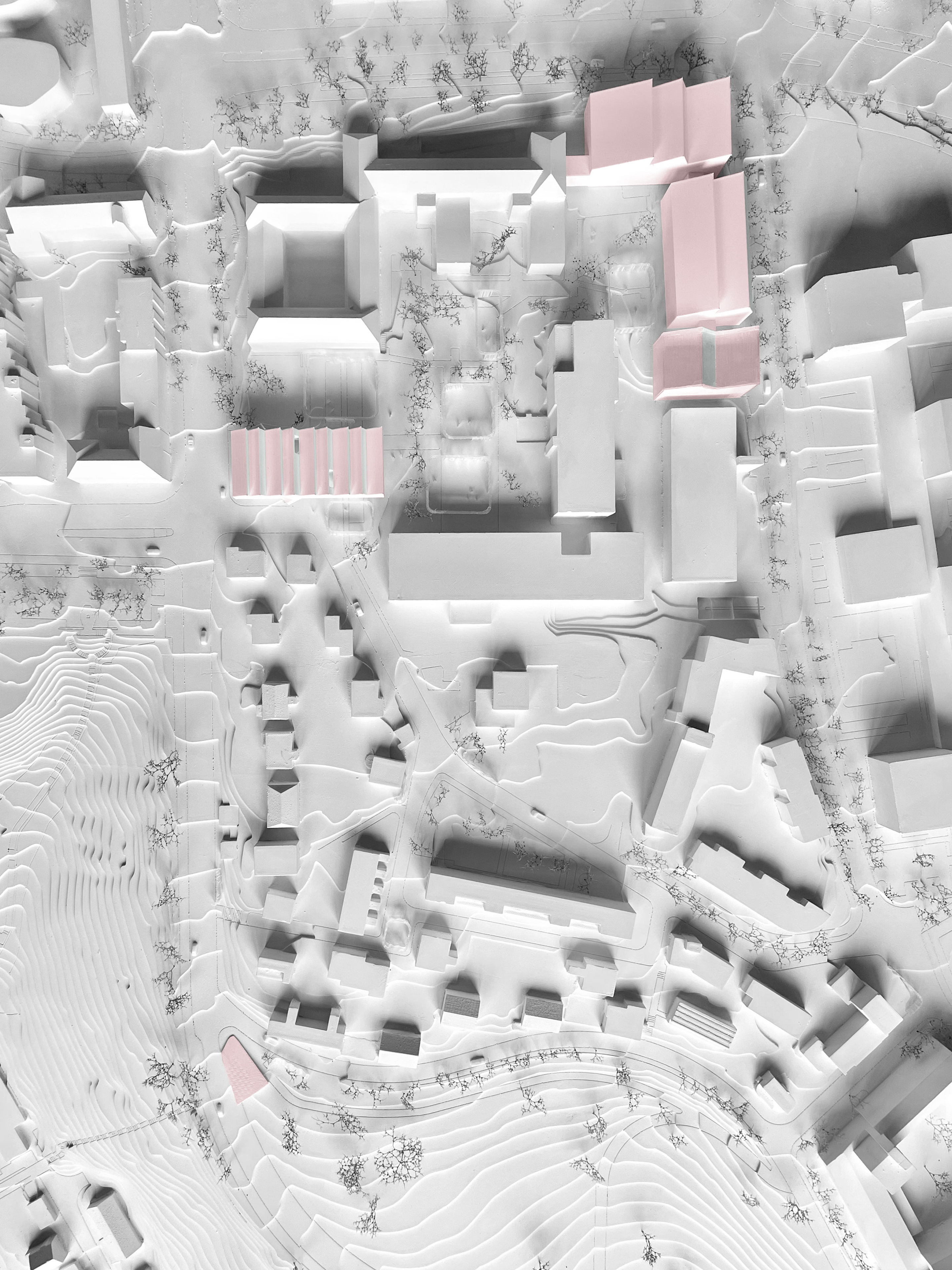
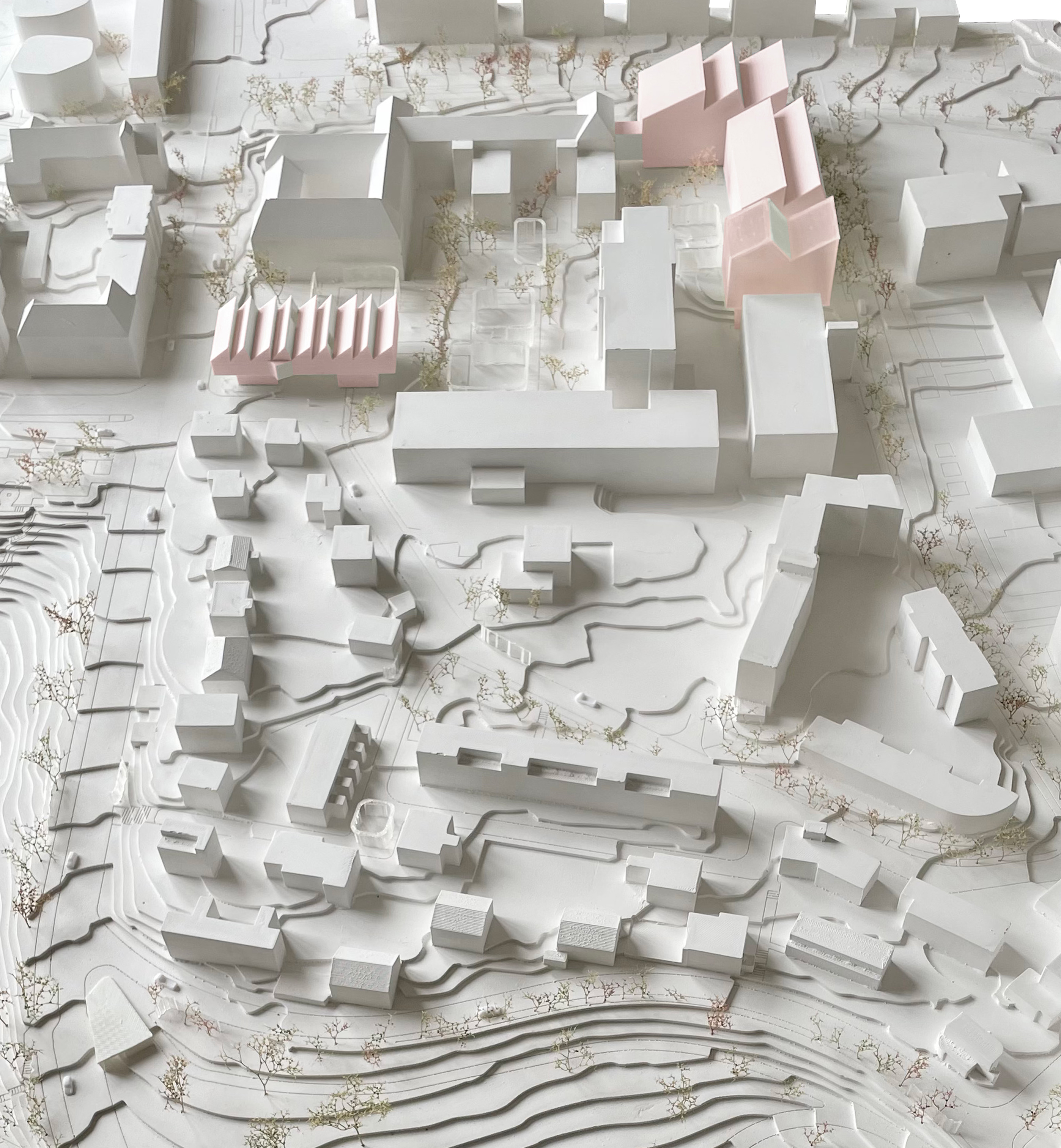
This competition submission, developed by ZA (Zuroweste Architecture) in collaboration with Hausler Studio for the 2027 International Building Exhibition in Stuttgart, Germany, provides a re-visioning of the canonical Modernist Weissenhof Siedlung neighborhood and adjacent art university campus designed by Mies van der Rohe for the 1927 International Building Exhibition. Critically reflecting upon the legacy of the neighborhood’s architects (including Le Corbusier, Bruno Taut, Hans Scharoun, Walter Gropius, JJP Oud, Mies van der Rohe, and others) the project translates the brief’s request to renovate the neighborhood while doubling the university’s square footage through an approach which translates the attitude of Modernism - an optimism towards the future hinging on technological development as a tool for social emancipation - into the 21st century. ZA’s proposal features four new buildings. Three new academic laboratory buildings expand upon and connect existing university facilities while urbanistically defining the northwest corner of the campus. The flagship architectural piece is a new welcome center positioned along the southern edge of the site between the existing historic neighborhood and the campus. It features a cafe and entry lobby on the ground floor, a large long span exhibition hall above, and administrative offices distributed throughout. All four new proposed building are structurally, environmentally, and visually defined by distinctive sawtooth roofs at various scales that bring in soft and even northern light to illuminate different arts-related programmatic activities.